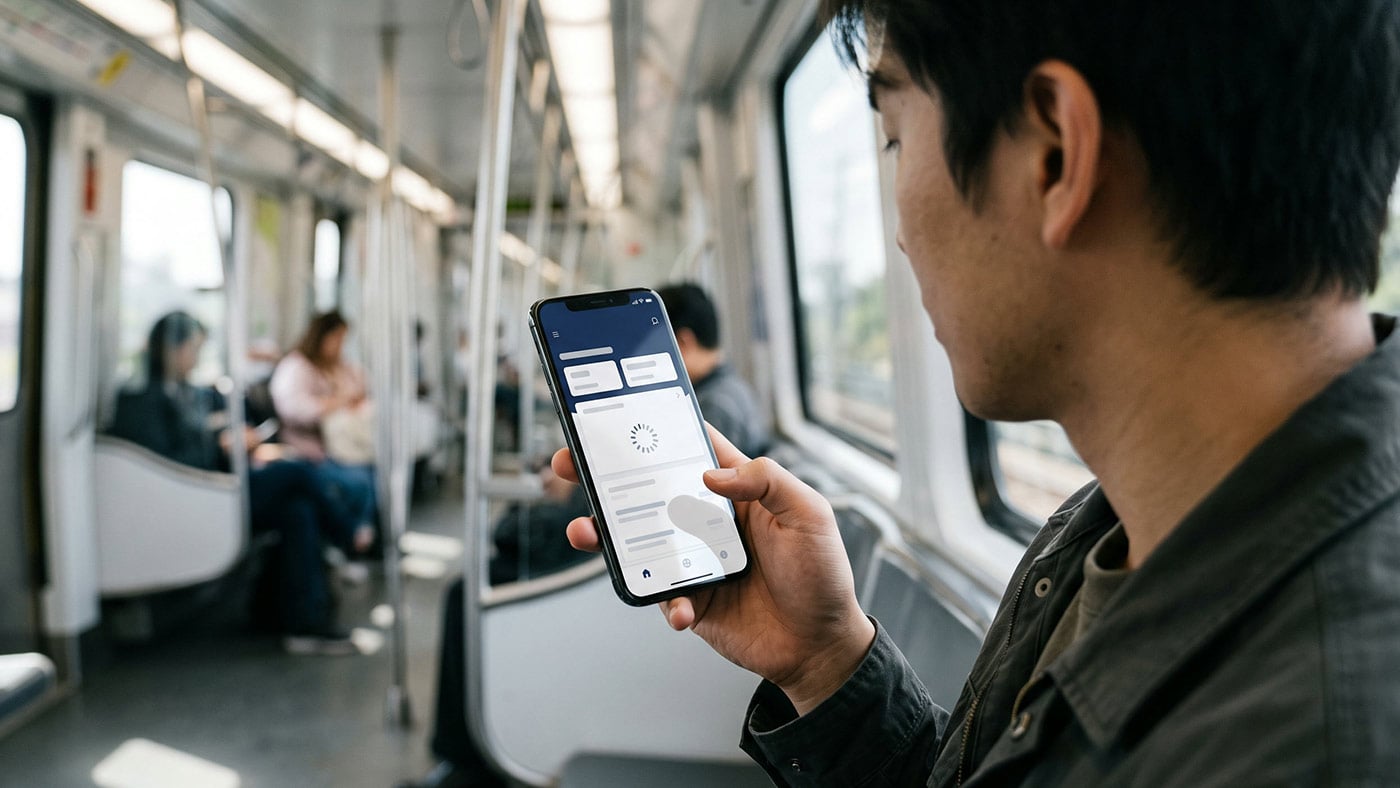
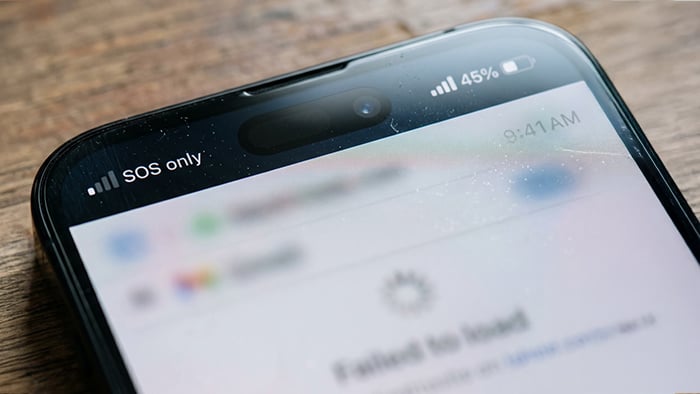
A recent run of outages has made big headlines and set off worries among consumers. Services people use to do many of their daily activities have been interrupted at a high rate. Microsoft, the FAA, United, several banks, and Apple all experienced disruptions between November 12 and 17.
Around the same time, Google issued a warning that “the era of autonomous attacks has arrived.” According to the tech company’s Threat Intelligence Group, AI is giving cybercriminals new ways to find and exploit security vulnerabilities and execute attacks with far less human involvement.
The string of outages aren't evidence of one coordinated attack, and there's no reason to assume AI caused them. But taken together, they highlight an uncomfortable reality of our digital lives: We depend on an enormous number of systems we can't see or control. When one of them stops working, the effects can reach all the way to the device in your hand.
And periods of disruption can create opportunities for attackers to take advantage of what consumers do next.
The infrastructure behind your screens is more at risk than you might think
When you open an airline app or log in to your bank, the interaction can feel simple. Tap an icon, enter a password, and you're in. But what's happening behind that screen is anything but simple.
Websites and apps can rely on outside providers for hosting, payments, authentication, communications, and other essential functions. Those providers may have dependencies of their own. This creates layers of technology between you and the service you're trying to use.
Iskander Sanchez-Rola, Senior Director of AI & Innovation at Gen (the company behind Avast), describes this vast ecosystem of shared digital control platform as the “Digital Grid.”
“The Digital Grid is the new critical infrastructure,” he explained. “It's no longer just about water or electricity. It's about the digital systems that everything else depends on."
Unlike the electrical grid, most consumers rarely think about this infrastructure until something stops working.
The recent FAA disruption provides a glimpse into those layers. The agency said instability in its telecommunications network affected aircraft communications and radar feeds before a nationwide ground stop. Its investigation identified two potential locations behind excessive data flooding its systems, including a location where network service provider L3Harris had been working.
You don't need to know which technology vendors sit behind every service you use. But understanding that these dependencies exist helps explain why seemingly distant technical problems can eventually affect you.
Outages can make you more vulnerable to scammers
When a digital service isn't working, it’s natural to search for explanations or try to find a way to work around it. While these are reasonable reactions, cybercriminals find ways to benefit from the chaos without causing the instability.
An attacker could potentially create a convincing fake website, malicious download, phishing message, or bogus “fix” tied to an issue that's actually happening. The real disruption supplies credibility to potential scammers. Falling victim to these "fixes" can lead to financial losses or identity theft issues.
And the risk doesn't necessarily stop at giving information to a fake form. A malicious site or download could potentially expose the device you're using to malware. The problems that can arise from these outages can quickly multiply.
AI gives attackers even more of an edge
This potential for exploitation matters even more as artificial intelligence changes what attackers can do.
As Google recently warned, autonomous AI systems are increasingly capable of handling parts of an attack that previously required substantially more hands-on work from a human, including discovering and attempting to exploit vulnerabilities.
Michal Salát, Threat Intelligence Director at Gen, has seen a similar shift in vulnerability research.
"A year ago, two years ago, that would be done by a person with a tool,” he said. “It would take forever. Now we're getting many a year for the same amount of effort. It is enabled by the sheer knowledge that's packed into the language models and the agents.”
Scale isn't the only thing that can change. AI can also make the scams targeting individual people more convincing.
"They used to be generic, and now they are hyper-personalized at a scale that was completely impossible before,” Sanchez-Rola said.
While it doesn't appear that AI caused the recent outages, it does raise concerns about what attackers equipped with increasingly capable tools can do in a digital environment that already has countless points of connection and vulnerability.
The end of an outage doesn't mean you are safe
An outage doesn't mean a breach occurred, but quickly restoring service doesn't prove that information wasn't compromised, either.
“Not seeing breached data available online this close to the incident is not the proof that nothing has been breached,” Salát said.
If information is stolen in a separate security incident, Salát noted that it may not appear publicly until later. That's why your security habits shouldn't begin and end with the news cycle.
Protect the part of the Digital Grid you control
You can't keep an airline's systems online or fix a technology provider's servers. You also can't inspect the security of every website you visit.
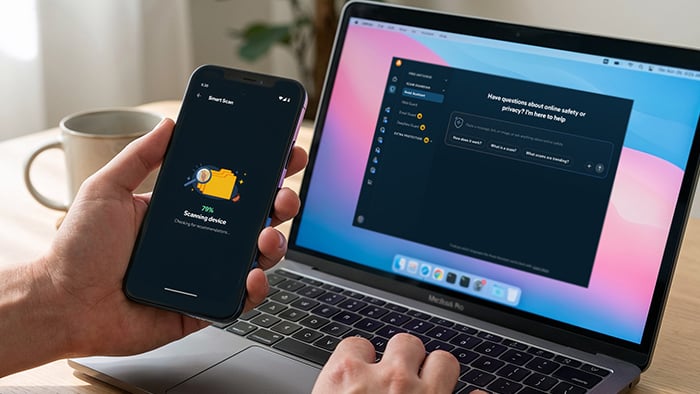
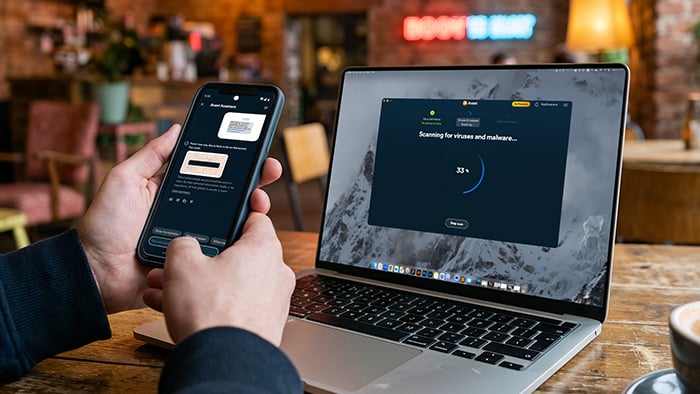
Although the recent outages weren't cyberattacks, they still give scammers an opening. Avast security tools can provide another layer of protection on the PC or mobile device through which you interact with this complex digital ecosystem. Avast Free Antivirus provides real-time protection, helping detect and block malicious websites and links while you browse. It includes Avast Assistant, an AI-powered tool that’s there when you need to quickly know if something is real or a scam, and Scam Guardian, which helps verify website legitimacy and reduce the risk of fraudulent interactions.
There are other steps you can take in and before these moments to protect yourself:
-
Download updates and fixes only from official sources: Don't install software from an unexpected message or unfamiliar website claiming it will restore access to a disrupted service.
-
Be careful when searching for workarounds: A result promising a download, recovery tool, or alternate login deserves extra scrutiny.
-
Keep your operating system, browser, apps, and security software updated: Security patches can close known vulnerabilities attackers might otherwise exploit.
-
Don't ignore browser and security warnings: Be especially cautious if you're redirected somewhere unexpected or warned about a suspicious site or download.
-
Use unique passwords and enable two-factor authentication or passkeys: This can make one compromised credential less useful to cybercriminals if they try to access your other accounts.
-
Keep watching important accounts: Unexpected activity may deserve attention even after the original technical problem has been resolved.
The Digital Grid may remain vulnerable, but there are steps you can take to make your corner of the digital world safer.
Accurate as of November 18, 2026, based on available information. This article may be updated as additional information about the recent outages becomes available.