- Security
- Privacy
- Performance
You love your grandparents, and sometimes the most effective ways to help them avoid scams include having awkward yet necessary talks about tech. Start simply with discussions on setting up a family code word, learning which scam types are most common, enabling real-time scam detection on their devices, teaching them to pause before acting, and making it easy to call you when something feels off. A 15-minute tech session and one honest conversation can go a long way.




This Article Contains
This Article Contains
An online survey about the global digital scam landscape conducted by Avast in 2026 among 13,003 global adults (including 1,000 in the U.S.), shows that Americans have reason to be worried about elder scams. Among U.S. respondents with an older loved one, 68% say an older loved one has fallen victim to an online scam, identity theft, or fraud at some point. And 29% of those with an older loved one describe that person’s online habits as risky. According to the Federal Trade Commission (FTC), older adults reported losing more than $3 billion dollars to fraud in 2025.
On National Grandparents Day, get tips to help protect your grandparents from elder scams.
Know the scams that target seniors most
Before you can help your grandparents avoid cyberthreats, you need to understand what scammers are throwing at them every day.
In a survey conducted for Avast , Americans with older loved ones said the online threats those loved ones had most often fallen victim to were financial fraud (22%), shopping scams (22%), identity theft (20%), and phishing (15%). Here are a few common scams to become familiar with:
-
Financial fraud: Scammers use fake investment opportunities, account alerts, or payment requests to trick older adults into sending money or sharing banking information.
-
Shopping scams: Fake e-stores, counterfeit products, and sellers who disappear after payment can leave your grandparents out of pocket and without the goods they ordered.
-
Identity theft: Criminals steal personal information, such as Social Security numbers or account details, to open accounts, make purchases, or impersonate the victim.
-
Phishing: Fraudulent emails, texts, or websites impersonate trusted entities to steal sensitive information, like login credentials or payment information.
-
Grandparent scams: A caller may claim to be a grandchild in distress, urgently asking for money. They may sound muffled, claim bad reception, and pressure the victim for quick action while asking them not to tell anyone. They may even leverage AI technology to create deepfakes that mimic a real loved one’s voice.
-
Tech support scams: A pop-up, call, or text claims your device has a virus. Geek Squad scams are one example: the “support person” asks for remote access to the victim’s device or payment for fake protection. In 2023, these were the single highest-complaint category for people over 60, according to the FBI.
-
Government impersonation scams: In these vishing scams, callers claim to be from the IRS, Social Security Administration, or Medicare, asking for money or personal information.
-
Romance scams: A fake online relationship builds trust over weeks or months before the “sweetheart” asks for money — often via gift cards or wire transfer.
When it comes to fighting scams together with your grandparents, when you try to explain something like a phishing scam, their eyes might glaze over or they might think that they’re being plenty safe, so stay focused on the goal and these steps.
Three preventive measures you can take together
Not one of these steps requires becoming their IT department, but each goes a long way in reducing your grandparents’ vulnerability to fraudulent behavior online. One conversation, done with warmth rather than worry, may be enough to shift how they approach the next suspicious contact. In fact, according to research conducted for Avast Safe Tech talk, 64% of U.S. consumers with older loved ones say their conversations or actions have helped an older loved one avoid a scam or online fraud. Here are a few steps to take that may help.
 1. Set up a family code word
A family code word is a private phrase that only trusted family members know and can use to confirm who they are. It adds a simple layer of protection when scammers impersonate a loved one, especially using AI-cloned voices. It’s a zero-cost move that can help protect your grandparents from scams.
Write the code word down, keep it somewhere safe, and make sure anyone who needs to know it does know it. If a caller claims to be a grandchild or relative in an emergency, but they can’t provide the code, hang up.
Helpful hint: Strengthening your passwords in general can also help. Aim to use unique passwords for each account that are at least 15-20 characters. Length and uniqueness are more important than using random characters or digits and symbols. Remember all your passwords can be made much easier and more user-friendly for grandparents with a good password manager.
 2. Build in the one-minute pause
One of the best tips on building awareness against elder scams is simply to take the time to steer clear of anything that presents a sense of false urgency. Scammers love creating ways to trigger quick decisions before the target has time to think.
Before responding to any unexpected call, text, email, or pop-up, wait one minute and check with someone trusted. You can tell your grandparents that if anything feels off, to call you first every time, as no question is too small. That instruction removes the judgment barrier that keeps people from asking for help.
 3. Set up smart protection on their devices
One practical way to help that lasts well beyond your next visit is setting your grandparents up with something that protects their phones, computers, and tablets with security software that includes scam protection, like Avast One. Avast One uses advanced AI tools to help keep you safe from hidden scams while browsing, banking, and shopping online. You can set it up together on a Sunday afternoon.
How to start the conversation with your grandparents without the dreaded lecture
Instead of saying “you need to be more careful,” try framing it as a shared problem, outlining that scammers have spent decades perfecting techniques that fool everyone. You’re not pointing out a weakness, as you’re teaming up on something that affects all of us.
Timing matters as much as wording. Bring it up when nothing has gone wrong, like over coffee, after dinner, on a drive, rather than in the middle of a scare. It also helps to go first. Tell them about the fake delivery text you almost tapped last week, or the coworker who nearly wired money to a bogus invoice. Then ask what strange messages they’ve been getting lately, and let them talk. Keep it short, agree on one or two things to try, and come back to it in a few weeks.
Know what to do if something does go wrong
Scammers are getting more and more advanced. Fortunately, you can take steps to help minimize the damage if something goes wrong for you or your grandparents.
If you think your grandparents have clicked a suspicious link or shared their personal information with a scammer, here are a few things to do immediately:
-
Contact their bank: This can help to protect accounts before money is taken out. The bank may be able to freeze their credit card or help them set up suspicious activity monitoring for affected accounts.
-
File a report with the FTC: You can report scams or fraud to the Federal Trade Commission at reportfraud.ftc.gov. Another resource is the Internet Crime Complaint Center (IC3). Reporting scams may not help victims get their money back, but it can help alert the authorities to scam patterns, helping protect others in the future.
-
Call the National Elder Fraud Hotline: The Department of Justice runs a free hotline at 833-372-8311, open Monday through Friday, 10 a.m. to 6 p.m. Eastern. Callers get a case manager who remains their point of contact, helps with reporting, and points them to other resources.
-
Remove the shame: Understand that there are entire industries set up to specifically scam older adults out of their money, so if your grandparents get scammed, there’s no blame, just action to take. Remember, if they are ashamed, it is less likely they will tell you about it, and reporting is how you stop the damage from spreading.
-
Move fast on gift cards and wire transfers: If your grandparent sent gift cards to a scammer, call the retailer or card issuer right away with the receipt and card numbers, since funds are occasionally recoverable if the cards haven’t been drained yet. For wires, ask the bank about a recall. Here the window is short, often measured in hours.
-
Change passwords and turn on two-factor authentication: If your grandparent revealed their login credentials to a scammer, change the affected passwords immediately. Do it from a device you’re confident is clean, not the one that got the pop-up. Encourage them to set-up two-factor authentication.
-
Consider a credit freeze: A freeze at Equifax, Experian, and TransUnion stops anyone opening new credit accounts in their name. It’s free, takes a few minutes per bureau, and it can be lifted whenever they genuinely need credit. This is a useful step if you fear your grandparent may be vulnerable to identity theft.
-
Check their device for malware: If a “tech support” caller talked them into installing something, look for suspicious applications or files on their devices and run a free malware scan.
What customers say

More Security Articles

The AI Confidence Trap: Most People Think They Can Spot AI Content. Scams Are Still Getting Through

How To Work With Your Grandparents To Keep Them Safe From Scams

Grindr Scams: How to Spot Sextortion and Stay Safe

Brushing Scams: What Are They and How Do They Work?

What is the Nigerian Prince scam?

Block Mobile Scams Instantly with AI-Powered Scam Guardian Pro

How to Avoid eBay Scams: A Comprehensive Guide
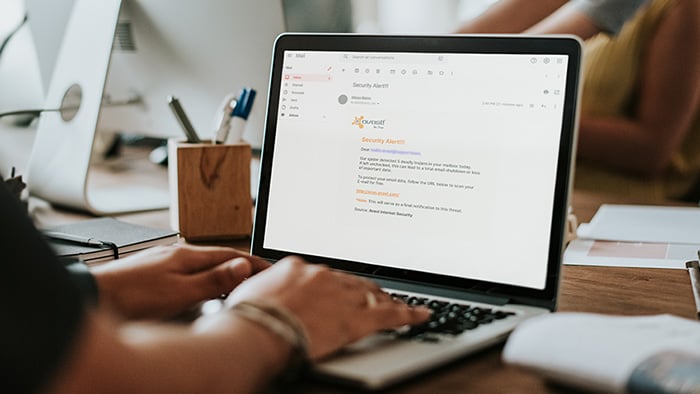
How to Spot and Avoid Fake Emails Supposedly from Avast

Is Ticketmaster Legit?
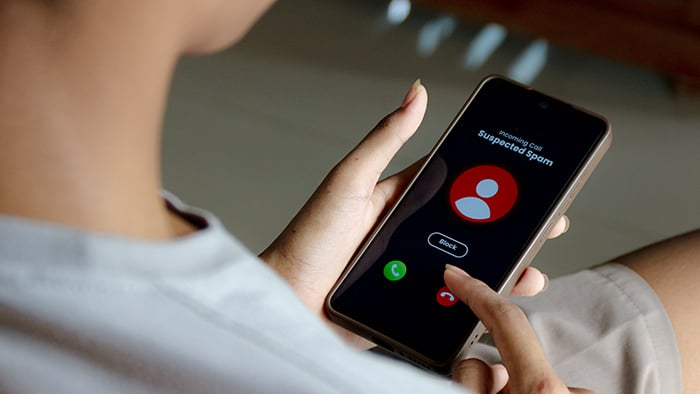
Scam Likely Calls: What Are They and How Can You Block Them
Signal App Scams: How to Identify Them and Protect Yourself

How to Spot and Avoid Airbnb Scams
Scams
Security
Caitlyn Moorhead
9-09-2026