- Security
- Privacy
- Performance
Everyone deserves to feel secure, especially in the golden years of life. Taking steps to prevent elder financial abuse, and reporting it if it happens, is vital to the health and welfare of our society’s seniors. Learn what you can do to stop elder financial exploitation, then sign up for Avast Secure Identity, which provides ongoing identity monitoring to give you and your family greater peace of mind.




This Article Contains
This Article Contains
What is elder financial abuse and financial exploitation?
Elder financial abuse is when someone commits fraud against a senior citizen or exerts financial control over their financial resources, like money, property, or other assets. Often, the person committing the fraud is someone the victim trusts. Some common forms of elder financial exploitation include misuse of funds, coercion, scams, and abuse of legal authority.
Financial exploitation differs from other forms of abuse, like neglect, or physical or emotional abuse, because its main purpose is financial gain. But this kind of elder abuse, in addition to causing financial losses, can also create deep emotional and concrete distress for the victim.
How common is elder financial abuse?
The World Health Organization (WHO) reports that globally, 6.8% of people aged 60 and older in a community setting and 13.8% of elders in institutions like nursing homes reported experiencing financial abuse in 2017. Since then, WHO has predicted that the global number of victims will increase to around 320 million by the year 2050. And according to the FBI, elder financial abuse translated to almost $4.9 billion in losses in the US in 2024 alone.
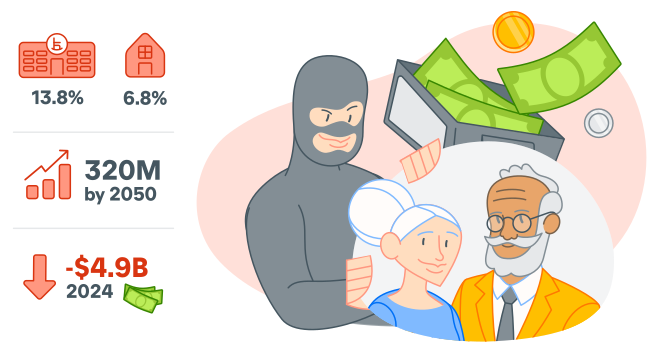 Sources: The World Health Organization (WHO) and the FBI.
Strangers may prey on elderly people they don’t know, but many cases could involve trusted people using senior relations or “friends” to their own advantage. And, while statistics can give us an idea of the prevalence of elder financial abuse, it may happen a lot more than what the reported numbers show. Some cases may go unreported if elders feel ashamed after being scammed or are unable to speak out at all.
Why are seniors vulnerable to financial abuse?
A number of factors put people over 60 at risk for financial abuse. Many seniors have savings, assets, or a predictable income, which may be particularly appealing to scammers. Some elderly people are also more dependent on others for care and decision-making, leaving them more vulnerable to predatory behavior.
The elderly might also be unfamiliar with new technology or security methods that can protect them, both on and offline. Predators may even exploit a senior’s loneliness, perhaps after losing a spouse, in social engineering schemes like "sweetheart" romance scams.
Unfortunately, scammers know these weak points and use them to their benefit. They can call and pretend to be the authorities and say a grandchild is in trouble. They can pose as romantic interests. Or they can use their position as a caregiver to get power of attorney and make decisions for the victim. All these tactics seek out vulnerabilities so that scammers can get their hands on seniors’ property, money, or benefits.
Common examples of elder financial exploitation
Scammers use many tactics to financially abuse elders. It’s important to remember that both strangers and trusted people can commit financial exploitation of elders. Here are some common examples of elder financial abuse:
-
Misuse of joint accounts: Someone can use joint accounts or credit cards for their own personal benefit. For example, a family member can use an elder's credit card to buy themselves personal items, or a caregiver could send themselves money.
-
Gaining unrightful power of attorney: An elder can be tricked or pressured to transfer power of attorney to someone who wants to make unfair decisions on their behalf. A family member or caregiver can gain power of attorney this way, like this Redditor describes in a disturbing story of how a caregiver got POA over their elderly mother’s finances.
-
Unrepaid loans: Manipulative friends or family members, or complete strangers that victims meet online, can ask seniors for a loan without any intention of ever repaying it, hoping the victim doesn’t report the fraud.
-
Pressure to change wills: Someone can manipulate an elder into changing their will for the scammer’s benefit. In one striking example provided by the US Justice Department, a hairstylist named Arturo convinced several of his older customers to give him money or change their wills, and when one passed away, he even inherited her house.
-
“Grandparent” scams: A scammer can call and pretend to be a police officer. They can say that a “grandchild” is in trouble with the law and that the grandparent must send money to bail them out. One network of scammers stole $5 million from hundreds of seniors, sometimes calling the same victim multiple times.
-
Romance scams: Anyone can fall victim to a romance scam, but seniors, who may be dealing with loneliness or the loss of a spouse, are particularly vulnerable. Someone in their life may try to be their new “sweetheart” to take advantage of them financially. Or, they may meet someone online who scams them for money, like this man who found himself $500,000 in debt after providing for a woman he met on a dating website.
-
Tech support scams: This common kind of scam especially targets the elderly, who may not be as tech savvy. A scammer contacts the victim and claims they can fix a non-existent problem on an electronic device, if the victim can send money (or gift cards). Tech support scams are one of the most common scams targeting seniors today, according to the FBI.
Signs and red flags of financial abuse in the elderly
Elder financial abuse often comes with warning signs. If you notice one of these signs, talk to the potential victim by asking gentle, non-judgmental questions. Financial abuse often comes with a lot of shame. Calmly asking questions is the best way to find out what is actually happening without pushing someone away.
Look for these common signs of elder financial abuse:

Behavioral signs: Someone who is being financially abused might seem fearful, confused, or withdrawn from loved ones. Also, look out for new “friends” or romantic interests who want to handle a senior’s money or go with them to the bank.
-
Change of banking patterns: Does a senior family member suddenly need to hit the ATM regularly? Was there activity on a bank account that was previously unused? Or did they set up a joint account unexpectedly with another person, especially someone who is not a close relation? These are all signs of financial abuse.
-
Other financial signs: Look out for unpaid bills, unexplained credit card charges, insufficient funds on accounts, and new credit cards in the senior’s name.
-
Suspicious signatures: Sometimes, a financial abuser will even forge a senior’s signature. Also, look out for any checks or loans paid to people the family doesn’t know.
Effects and consequences of elder financial abuse
Besides monetary losses, victims can feel intense shame for being exploited, especially if they don’t think they have any recourse. The trauma and loss of trust that can come from financial abuse may even be the most damaging part of the incident, potentially leading to a decline in health or even premature mortality.
Here are some of the consequences elders and their loved ones can experience from financial abuse:
-
Drained savings resulting in a lower quality of life: Seniors who lose their life savings may struggle to earn it back. And there are plenty of consequences for losing their money, for instance seniors might not have money for healthcare and housing in their later years. They may be unable to afford quality nursing homes or care, and can become more dependent on family members.
-
The psychological impact can strain mental and physical health: Being taken advantage of by someone you trust is a deeply violating experience, as is losing your financial means to care for your needs. After financial abuse, some people may have a sharp decline in mental and/or physical health. The trauma can trigger anxiety, depression, and other psychological conditions, as well as early death in extreme cases.
-
Family members might need to pick up the burden: When an elderly relative suffers a financial loss, family members might need to cover the cost of their housing, care, and legal needs. Or they may need to care for the victim themselves, not to mention offering intense emotional support after the abuse.
How to prevent elder financial abuse
Appoint a family member as a key contact and create a POA in the case of a medical crisis or incapacitation while your elderly family members are healthy and independent. Although sometimes difficult, proactive and ongoing family communication can make it clear what a senior’s wishes are and can help prevent elder financial scams or even identity theft.
Use tools like identity and account monitoring to stay on top of what is going on with finances, accounts, and sensitive information. And keep in mind that caution and careful action can put you ahead in the battle against elderly financial abuse.
Tips for seniors to safeguard their finances
If you’re a senior concerned that you could become a victim of elder financial abuse, you can take some important steps to protect yourself and your finances. Thinking ahead goes a long way to preventing these situations before they happen. Consider taking these practical steps:

Use direct deposit and avoid large cash withdrawals: Set up direct deposits to pay for bills and services instead of writing checks, lessening the chance that someone will steal your check or try to forge your signature. You can usually do this through your online banking apps. Avoid having large amounts of cash around, too, and be careful of anyone asking you to withdraw a lot of money.

-
Shred sensitive documents: Shred any documents that contain pieces of your sensitive information, like credit card details or your Social Security number, and dispose of them carefully.
-
Never share PINs or passwords: These are private to you and should not be shared or written down in a place where anyone could access them. Instead, use a good password manager to keep track of all your login credentials.
-
Be skeptical of unsolicited calls or emails: Scammers can send you phishing emails, texts, or call you to get your personal information and money. They might even spoof a legitimate website or caller ID to impersonate a specific business, bank, or governmental organization.
-
Create a family password: Scammers can use AI deepfake technology to sound like other family members. Agree on a family password so you can “test” the caller and ensure that they are who they say they are.
-
Regularly review bank and credit card statements: Check for any unauthorized transactions and report them to your bank or financial institution immediately.
-
Consider designating a contact person for your bank: Choose a trusted person who is not in control of your finances to be a key contact in the case of fraud or if you are sick or away. The bank will let them know if you’re unreachable or if they are concerned that you may be experiencing financial exploitation.
-
Use identity-protection tools: Software like Avast Secure Identity will alert you of suspicious activity on your credit accounts, helping you and your loved ones take action fast to mitigate the damage.

How families can protect elderly loved ones from financial abuse
Families can work together to prevent the financial abuse of the elderly. Talking openly, sharing information, and asking non-judgmental questions can help protect seniors from exploitation. Try following these handy tips:
-
Talk about general information first: Bring up a news story about a scam or ask a broader question about their finances. Ask questions like, “Do you know about this scam that’s in the news?” or “Have you been thinking about your financial well-being at all? Can I help you with anything?”
-
Encourage open conversation about money and scams: A lot of people don’t like to talk about money, but scammers count on the silence. Create a positive, non-judgmental space around money conversations, and encourage seniors to ask questions and speak up.
-
Read their emotions: If a senior seems stressed or anxious about a question you’re asking, take it as a clue that something could be going on. Look for other clues too. Do they bring up anything about new people handling their finances? This could be a sign of financial exploitation.
-
Speak with “We” statements: “We” statements are better than “you” statements, which may sound accusatory or commanding. For example: “Do you think we could look at your account statements to make sure everything’s alright?” “Could we add me as a trusted contact on your account? Then we can keep an eye on everything.”
-
Set up viewing-only access or alerts on accounts: With the consent of seniors in your life, set up view-only access and alerts on accounts so that you can be aware of any fraudulent or unusual activity. Also, encourage your elderly family member to select a trusted contact person on bank accounts in case they are sick or away when fraudulent activity happens.
-
Install a tool like Avast Secure Identity: Use helpful tools like Avast Secure Identity, which can alert you to fraudulent activity on credit accounts or even help you spot personal data leaks on the dark web.
Why elder financial abuse often goes unreported
Victims may not report financial abuse for a myriad of reasons. They may feel shame that the abuse happened and blame themselves. Or they might worry that if they talk about the abuse they’ll lose their independence. They might also feel loyal to the abuser, especially if the abuse is perpetrated by someone close to them. Or, they might not be aware that what’s happening is financial abuse.
How to report elder financial abuse
It’s important to stop elder financial abuse in its tracks by quickly reporting it as soon as you know it’s happening. This limits the damage the abuser can do to their victim and can stop them from hurting others, too. How and where you report elder financial abuse depends on what exactly happened and what resources are available in the place you live.
Where to report financial abuse of elderly individuals
Reporting the abuse to Adult Protective Services (APS) is a good place to start. APS are state organizations that help keep elderly and disabled adults safe. Be aware that your state might call their organization something slightly different, but the function of the agency will be the same. In most cases, you can report anonymously or confidentially to APS. You also may need to report the abuse to other institutions, like the senior’s bank or credit union.
Report identity theft, if you also suspect this occurred, to the Federal Trade Commission (FTC) and the three credit bureaus. You can also place a fraud alert to help monitor what happens to your credit.
If someone is in immediate physical danger, call 911. But in other cases, you can call your local sheriff’s non-emergency number and file a police report. If you wish to prosecute the abuser, report the abuse to your District Attorney’s Office.
When you suspect financial abuse of the elderly, either for yourself or a family member, prepare to report it by documenting key details. Collect this information:
-
The time, date, and place where the abuse happened.
-
Bank statements or any proof of forgery.
-
The names of anyone who was involved. This can be the person who committed the abuse and anyone who witnessed it.
-
A description of what exactly happened, as well as documentation of any other abuse or neglect that occurred.
-
A list of any disabilities or health conditions the victim has, especially conditions that impair memory or decision-making ability.
-
Mention if you think the abuse is at risk of happening again to the victim or other victims.
What happens when you report elder abuse?
The exact steps APS takes may depend on the state, but generally, an investigation is promptly launched. If the allegations of abuse are grounded and serious, APS usually sends an on-site investigator, and criminal charges might be filed.
While not all reports lead to charges, it’s necessary to report all abuse, because the evidence can help stop and deter future exploitation. It also creates a paper trail on the potential abuser in case they continue their abuse or find a new victim. Also, if you’re worried about being identified for reporting the abuse, remember that most reports can be made anonymously or confidentially — you may just need to ask for this.
Elder abuse laws and legal protections
Elder financial abuse is illegal in all 50 states, all US territories, and Washington D.C., though exact laws on elder abuse and financial exploitation vary from place to place. The punishment for elder financial abuse crimes also depends on the state, as well as the nature and severity of the crime. For example, sometimes abusers are charged criminally, and sometimes their crimes are considered civil.
Let’s dig in deeper into what these laws are and what the legal processes surrounding them are. However, keep in mind that this article is informational and not legal advice.
Is exploitation of the elderly a felony?
The financial exploitation of the elderly can be charged as a misdemeanor or a felony, depending on factors such as the scale of the abuse, the intent of the abuser, and the vulnerability of the victim. Financial abuse is more commonly charged as a felony when the losses are greater.
Repeat offenders, such as those who run long-term, high-volume scams, can face higher penalties. Prosecutors also take into account the degree to which trust was breached, such as if the crimes were committed by a caregiver or someone the senior is dependent on. While misdemeanors are punished with large fines and/or short-term jail time, felonies usually lead to longer prison sentences and loss of rights, depending on the state. You can check the legal statutes per state on the Department of Justice website.
Elder financial abuse laws in California
Elder financial abuse laws and the penalties for breaking them vary from state to state, but California is a good example of how they work in real life. Here’s a breakdown of the main California statute that protects elders in the case of financial abuse, California Penal Code § 368.
The penal code covers financial crimes committed against elders (65+) or dependent adults, and includes theft, embezzlement, forgery, fraud, and identity theft. It also applies to caregivers and non-caregivers (who should reasonably know that the victim is elderly or dependent), as the key factor in punishment is actually the value of the theft, not the status of the person committing it.
In general, those who steal money or property amounting to $950 or less face misdemeanor charges, up to one year in county jail, and fines of up to $1000. Perpetrators who steal more can be charged with either a misdemeanor with up to a $2,500 fine and one year in county jail, or they can face more serious felony charges. If their actions constitute a felony, the punishment for elder financial abuse can be 2-4 years of jail time and up to $10,000 in fines.
It’s important to report suspected abuse right away because the time in which legal action can be taken against the abuser is limited. The California statute of limitations for elder financial abuse is 4 years after the abuse was discovered, though sometimes exceptions are made.
While these are just the highlights of elder financial abuse laws in California, the laws may differ in your state. Be sure to check local state resources or consult an attorney.
How to prove financial exploitation
The most important part of proving elder financial exploitation is keeping clear and detailed documentation. Start documenting everything as soon as you’re aware of the abuse. Write down names of people involved, dates, locations, amounts, and any other detail you have. Then compile other documentation, like bank or credit card statements, contracts, emails, and call logs. If anyone observed the abuse happen, get their contact information and statements, too.
After you have gathered documentation, report it to APS. You might also want to involve a lawyer or financial advisor to help you. Remember that by observing, documenting, and reporting, you can play a crucial role in stopping elder financial abuse.
Protect seniors’ finances with Avast Secure Identity
Taking preventative steps is the most effective way to reduce the risk of elder financial exploitation and secure your family’s finances. Avast Secure Identity puts the tools in your hands to keep you and your loved ones safer against financial scams and identity theft.
Avast Secure Identity’s advanced protection includes monitoring for suspicious activity involving your credit information. Our restoration support ensures you get 1:1 personal assistance to help regain control of your or your loved one’s identity in case of theft, and the reimbursement for lost or stolen funds can help you or your loved one get back on your feet. Protect those that matter most to you and get Avast Secure Identity today.
*Reimbursement of up to $1 Million for Avast Secure Identity for certain out-of-pocket expenses and lost wages, travel expenses, child or elder care expenses, and depending on your plan the coverage amount may vary. Benefits under the policy are issued and covered by Hamilton Insurance DAC. For policy terms, explanation of benefits, and exclusions view the 1M Plan Summary of Benefits.
What customers say

More Privacy Articles

Reclaim Your Personal Data with Avast Privacy Control

Stay Ahead of Identity Threats with Avast Secure Identity

How to Prevent Elder Financial Abuse

What to do if you lose your wallet

How Do I Place a Credit Fraud Alert?

Data Brokers: Everything You Need to Know

What Is a CVV Number and How Do I Find It?
What to Do If Someone Has Your Social Security Number

How to Contact Credit Bureaus

What to Do If You Lose Your Phone With the Google Authenticator App on It

Home Title Theft – What You Need to Know

How to Report Identity Theft
Identity Protection
Privacy
Anastasia Mouser
20-02-2026