- Security
- Privacy
- Performance
The Blackout Challenge is a dangerous online trend that’s circulating on sites like TikTok. It encourages participants to play a choking “game” with potentially deadly consequences. For families, it's a stark reminder that digital risks extend beyond cybercrime to the content children encounter online. Alongside healthy habits and open conversations, trusted online security tools can support safer digital experiences.







This Article Contains
This Article Contains
Walking into a room to find your child unconscious is a nightmare no parent wants to imagine. Yet for many families around the world, it has become a devastating reality. Parents like Annie McGrath, who lost her 13-year-old son Griffin, know all too well that what can begin as a seemingly harmless dare can end in unimaginable tragedy.
Known by names including the Choking Game, Blackout Challenge, and Space Monkey, this dangerous trend encourages participants to deliberately restrict blood flow and oxygen to the brain to induce lightheadedness, euphoria, or unconsciousness. Despite being glibly described as a game or challenge, it can have fatal consequences.
What many children don't realize is that losing consciousness can quickly become a life-threatening emergency. According to the Training Institute on Strangulation Prevention, oxygen deprivation can cause extensive neurological damage in a short period, with potential consequences including seizures, cardiac arrest, permanent brain damage, and death. Survivors may face lasting neurological complications that affect their daily lives.
Research available through the National Library of Medicine suggests that 6–11% of adolescents have engaged in this dangerous behavior at some point. And Advocacy group Erik’s Cause estimates that more than 1,300 people worldwide have died after participating in this type of activity, although the true number is difficult to establish because some deaths may be misclassified.
But parents and caregivers can make a difference. Understanding why these challenges appeal to young people, recognizing potential warning signs, and encouraging open, judgment-free conversations can help children understand the risks and make safer choices.
The evolution of the blackout challenge
Teenagers have always pushed boundaries and taken risks — it’s a natural part of growing up. But the internet has transformed how quickly and widely dangerous behaviors can spread. Activities once confined to small peer groups can now reach young people around the world through social media.
Pre-social media: a self-choking fad begins
The "choking game," or "pass-out game,” existed long before social media became ubiquitous, often taking the form of dares among peers. A CDC review later identified 82 probable deaths among children and teenagers aged 6–19 between 1995 and 2007, showing that the dangers existed pre-social media. The median age of those who died was 13, and approximately 87% were male. In most cases where parental awareness was documented, parents had not heard of the activity before their child's death.
Late 2000s–2010s: online videos expand the reach
As video-sharing platforms grew, footage of the choking game began reaching audiences beyond local peer groups. In 2010, Time Magazine described a dangerous new pastime for kids. The availability of online videos raised concerns that children could discover and attempt the activity without understanding its potentially fatal consequences, particularly when alone.
2018–2020: the Blackout Challenge goes viral
The activity gained renewed attention through online content associated with names such as the Blackout Challenge and pass-out challenge, particularly on TikTok. In 2018, Time found more than 36 million YouTube videos related to the pass-out game and about 500,000 videos associated with playing the choking game, illustrating how easily young people could encounter dangerous behavior online.
2021–present day: fatalities and global concern grow
Reports of a spike in deaths associated with the Blackout Challenge intensified concerns about how social media algorithms might expose children to dangerous content. Families raised questions about whether TikTok's For You Page (FYP) and recommendation system could surface harmful videos to young users, leading to legal action against the platform.
A Bloomberg investigation published in 2022 reported that at least 15 children aged 12 and under had died in incidents linked to the challenge over an 18-month period. However, the extent to which specific social media content contributed to individual deaths remains contested.
These incidents have reinforced the importance of digital safety, parental awareness, and helping children critically evaluate online content. They have also increased scrutiny of how social media platforms identify, moderate, and limit the spread of potentially dangerous challenges.
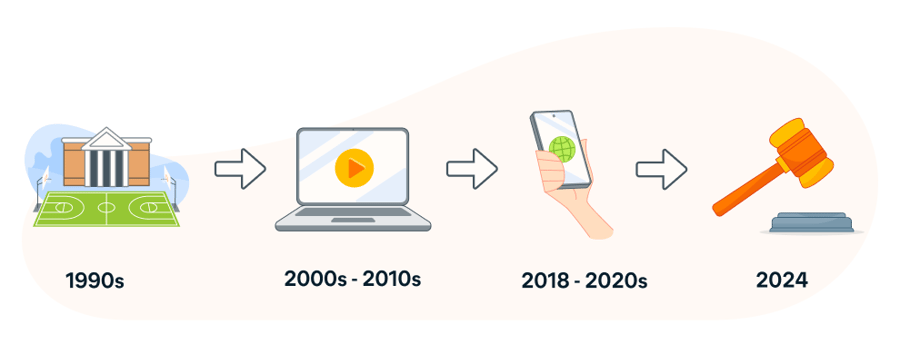 The origins of the blackout challenge date back to the 1990s, taking the form of dares among peers.
What role does TikTok play in the Blackout Challenge?
Like other social media platforms, TikTok's recommendation system can expose young users to content from people they don't follow, potentially amplifying dangerous trends such as the Blackout Challenge. Unlike feeds that primarily feature posts from followed accounts, TikTok's For You feed recommends videos based on users' interests and activity. This allows content to reach large audiences quickly, potentially increasing social pressure to participate in viral challenges.
While these features help creators reach new audiences, they can also make harmful content more visible. Several aspects of TikTok's design may contribute to how quickly dangerous trends spread:
-
The For You algorithm: TikTok recommends videos based on signals such as watch time, likes, comments, shares, and user interests. This can expose young people to challenge-related content even if they don't actively search for it.
-
Watch time and repeat views: Watching a video repeatedly, even out of curiosity or concern, can signal interest to the recommendation system. This may increase the likelihood of encountering similar content.
-
Hashtags: Challenge-related hashtags help users discover videos, explore variations, and join conversations. They can also make dangerous trends easier to find and share.
-
Sounds and trends: Popular audio clips are often reused across thousands of videos, connecting otherwise unrelated posts. Using recognizable sounds may help challenge-related content gain visibility and encourage imitation.
-
Easy participation: Built-in editing tools, templates, and features such as Duet or Stitch make it easy to recreate, remix, or respond to videos, potentially accelerating the spread of viral trends.
-
Engagement-driven design: Continuous scrolling, personalized recommendations, and unpredictable rewards can encourage prolonged viewing. For adolescents, whose impulse control and decision-making skills are still developing, repeated exposure to risky behavior may increase its perceived normality or appeal.
These features don't necessarily mean TikTok deliberately promotes dangerous challenges. However, recommendation systems can amplify harmful content before it’s identified and removed, raising important questions about platform moderation, age-appropriate safeguards, and how parents can help children navigate online risks.
 The legal battles over TikTok and the Blackout Challenge
The Blackout Challenge has become central to a wider legal debate about who bears responsibility when harmful content spreads online. Several families whose children died after reportedly attempting the challenge have filed lawsuits against TikTok. They argue that the platform's recommendation system actively promotes dangerous videos to young users.
At the heart of these cases is Section 230 of the U.S. Communications Decency Act, which generally protects online platforms from liability for content posted by third parties. However, the extent of that protection when platforms actively recommend content has become a significant legal question.
The case of Anderson v. TikTok illustrates this point. Tawainna Anderson sued TikTok after her 10-year-old daughter, Nylah, died in 2021 after reportedly attempting the Blackout Challenge. In 2024, a U.S. federal appeals court ruled that Section 230 did not bar certain claims concerning TikTok's algorithmic recommendations.
The court distinguished between merely hosting third-party videos and TikTok's own decisions about which content to recommend through its For You feed. The ruling did not establish that TikTok was responsible for Nylah's death, but it allowed the relevant claims to proceed.
If other courts adopt similar reasoning, social media companies could face greater accountability for harmful content promoted by their algorithms, potentially encouraging stronger safeguards and content moderation, particularly for children. Parents can follow ongoing TikTok lawsuits through the Social Media Victims Law Center to stay informed about legal developments and their potential implications for online safety.
 What safeguards has TikTok introduced?
In response to growing concerns about dangerous online trends, TikTok has introduced several safety measures designed to identify harmful content, limit its visibility, and discourage participation in dangerous challenges. But no moderation system can catch every harmful video, so these safeguards should complement rather than replace parental involvement.
TikTok’s safety measures include:
-
Restricting searches for dangerous challenges: Searches for certain harmful terms such as Blackout Challenge redirect users to the TikTok Safety Center instead of displaying related videos.
-
Limiting harmful hashtags: TikTok can prevent hashtags associated with dangerous activities from search results and recommendations, making harmful content harder to discover.
-
Proactive content detection: Automated systems and human moderators work to identify and remove videos that promote dangerous behavior.
-
Additional review of popular content: TikTok applies additional safety checks to certain content as it gains visibility, helping limit the spread of videos that violate its policies.
-
Community Guidelines: TikTok prohibits content that promotes, glorifies, or provides instructions for dangerous challenges and activities.
-
Account enforcement: Users who repeatedly violate safety policies may face content removal, account restrictions, or permanent bans.
These measures aim to reduce exposure to harmful challenges, although their effectiveness depends on consistent enforcement and the ability to identify emerging trends. You can learn more about TikTok's approach to online safety in its Community Guidelines updates.
How to recognize if your child is at risk online
Recognizing when your child may be vulnerable to dangerous online trends isn't always straightforward. Social media can expose young people to risky challenges through recommendations, group chats, and content shared by friends. Curiosity, peer pressure, and the desire to fit in can make these trends particularly appealing to teenagers, whose impulse control and decision-making skills are still developing.
While exposure to harmful content doesn't mean your child will participate, certain online habits, social pressures, and behavioral changes may suggest they're becoming more vulnerable to dangerous trends.
Potential warning signs include:
-
Frequent exposure to risky content: Your child regularly watches, shares, or discusses videos featuring dangerous stunts, dares, or challenges.
-
Pressure to fit in: They talk about friends participating in risky activities or express concerns about being excluded, mocked, or judged for refusing.
-
Seeking online validation: They become increasingly focused on likes, views, followers, or gaining attention through increasingly extreme content.
-
Difficulty recognizing online risks: They dismiss dangerous challenges as harmless fun, assume viral content must be safe, or underestimate the potential consequences.
-
Increased secrecy: They become unusually protective of their online activity or reluctant to discuss the content they're watching.
-
Changes in mood or behavior: They seem increasingly anxious about social acceptance, withdrawn from family activities, or preoccupied with their online reputation.
None of these behaviors necessarily means your child is in immediate danger. However, patterns of risky content consumption, peer pressure, and changing attitudes toward online safety can provide valuable opportunities to intervene early.
Rather than confronting your child or immediately restricting their internet access, start a calm, open conversation. Ask what challenges are popular among their friends, whether they've encountered anything concerning, and how they would respond if someone pressured them to participate.
The goal is to recognize vulnerability before it turns into harmful behavior. By staying involved in your child's digital life, encouraging critical thinking, and building trust, you can help them navigate online pressures and make safer decisions.
How to protect your children from harmful online trends
The internet offers children countless opportunities to learn, connect, and explore, but it can also expose them to dangerous challenges and harmful content. Protecting children online starts with open communication, active involvement, and age-appropriate safeguards that help them recognize risks and make safer decisions.
Talk to your children about online safety
If you've found yourself asking "What's the TikTok Blackout Challenge?" there's a good chance your child has heard about it too. Rather than waiting for them to bring it up, use news about viral challenges and online trends as an opportunity to start a conversation.
Children are far more likely to speak openly when they feel they're being listened to rather than judged. Instead of focusing on do’s and don’ts, encourage them to think critically about the content they see online, why some trends become popular, and what the risks could be.
Here are a few ways to start the conversation:
 Ask what social media platforms they use and what kinds of videos they see in their feeds.
Talk about why some online challenges can seem exciting or tempting to try.
Encourage them to question whether a viral trend is safe rather than assuming it's harmless because it's popular.
Let them know they can always come to you if they see something online that makes them feel uncomfortable or pressured to participate in a challenge.
Avoid blame or punishment if they admit they've seen or shared risky content.
The goal isn’t to scare children away from social media or make them feel they need to hide their online activity, but to give them the skills and confidence to navigate it more safely. Above all, encourage them to speak up whenever something online feels unsafe or concerning.
Use parental controls and digital safety tools
Parental controls and digital safety tools provide an additional layer of protection against harmful online content, including dangerous trends like the Blackout Challenge. While no tool can replace parental guidance or block every threat, these safeguards can help limit exposure to risky content, manage screen time, and encourage healthier online habits.
Stay up to date on how to keep kids safer online and consider using these tools and strategies:
Parental controls: Become familiar with every platform your child uses. Restrict age-inappropriate content, manage social media privacy settings, and control who can contact your child or view their posts. Make sure children know what tools are available, like how to block someone on TikTok.
Content filtering: Block or limit access to websites, apps, and search results that could contain harmful material. Keep in mind that filters may not catch every dangerous video or trend.
Screen time management: Set daily time limits, schedule device-free periods, and encourage regular breaks from social media.
Family monitoring features: Many platforms allow parents to link accounts, review safety settings, and manage screen time together. This can help you stay involved in your child’s online activities while respecting their growing independence.
Built-in device controls: Google Family Link lets parents manage compatible Android devices, schedule screen-time limits, approve app downloads, and view a child’s device location when supported and enabled. Apple Screen Time lets you block in-app purchases, set content filters, and restrict access to certain apps and websites. Here’s how to set parental controls for Android and iOS devices.
Know what to do in an emergency
If you find a child unconscious or unresponsive after a suspected choking or strangulation, or for any other immediate medical emergencies, call 911 immediately. Follow the emergency dispatcher's instructions. If the child isn't breathing normally, begin CPR as directed, even if you haven't received formal training.
Even if the child regains consciousness or appears unharmed, seek emergency medical care. Oxygen deprivation and injuries to the neck or blood vessels can cause life-threatening complications that aren't immediately apparent.
If your child is emotionally distressed by harmful online content or you're concerned about their mental health, seek support from a qualified professional. In the U.S., you can text HOME to 741741 to reach Crisis Text Line or call or text 988 for mental health crisis support.
Help protect your family from harmful online content
The Blackout Challenge shows how quickly harmful online trends and other digital threats can reach children. Open conversations, digital literacy, and active parental involvement are the first line of defense, but the right technology can add another layer of protection.
Avast Free Antivirus helps families create a safer digital environment with protection against malware and other online threats, plus tools designed to help safeguard personal information across devices. Add Avast Free Antivirus to your family’s digital safety toolkit and help protect what matters most.
What customers say

More Security Articles
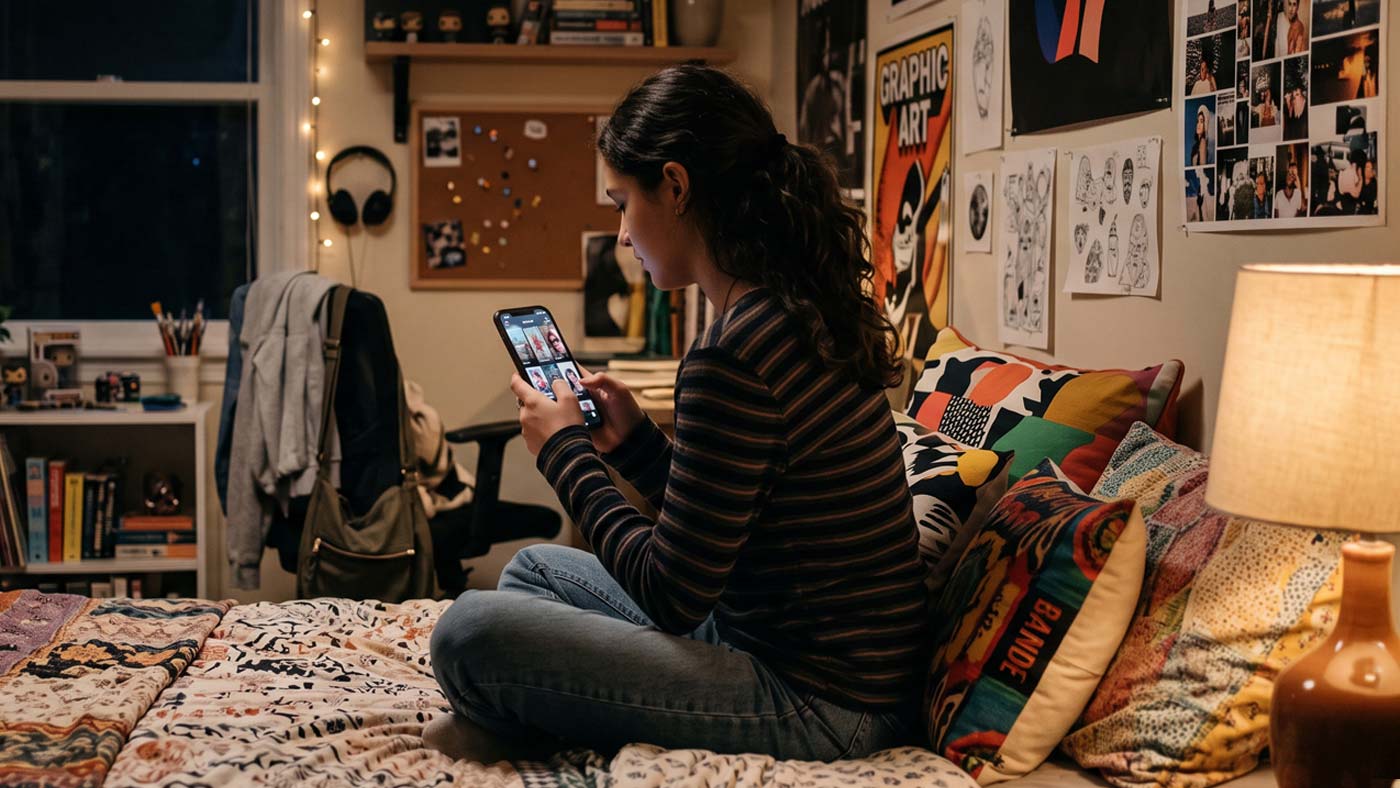
How to Protect Kids Against the TikTok Blackout Challenge?
BillBait: Is your phone authorizing charges you didn’t mean to approve?

What is OpenClaw and How To Use It safely?
Is ChatGPT Safe?

Is BlueStacks safe?

What Is Riskware and How to Avoid It

Is Roblox Safe for Kids?

Juice Jacking: What It Is and How to Protect Your Devices

What Is Hugging Face?

What Can Scammers Do With Your Number and How Can You Help Protect It?

What Is CAPTCHA and How Does It Work?

What Is DNS Poisoning and How to Protect Your Data
Other Threats
Security
Nicola Massier-Dhillon
20-11-2026