


1. Per aziende
  2. Resources
  3. Protection against linux ransomware

Linux ransomware: How to protect your business

Protecting your business from ransomware is challenging, particularly when a variety of operating systems are in use, each with their own levels of security and risk. With employees likely to be using a combination of Windows, MacOS, Linux and mobile operating systems, it can be difficult to be sure your business security is consistent.

This article looks at Linux ransomware: What it is, how much security it offers, the different types of ransomware that target devices running Linux, and what you can do to protect against its threat.

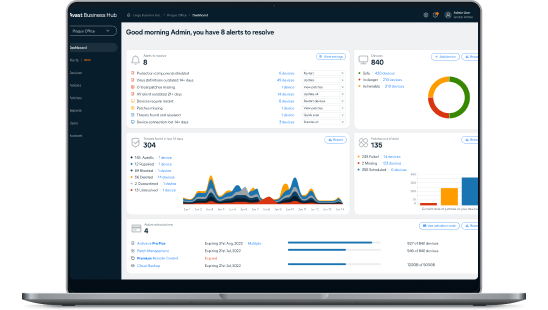
Try the Avast Business Hub FREE for 30 days

Enjoy enterprise-grade security whatever the size of your business. Download the Avast Business Hub and try it for 30 days, risk-free.

protection-against-linux-ransomware

What is Linux ransomware?

In termini generali, il ransomware per Linux è un tipo di malware in grado di attaccare i sistemi basati sul sistema operativo Linux (comprese le distribuzioni come Ubuntu e Debian). Questo tipo di attacco prevede di infiltrarsi in un dispositivo o in una rete, identificare i documenti importanti e criptarli. Spesso, l'attacco viene notato solo quando si riceve un messaggio che richiede il pagamento per la restituzione dei file criptati. Se per gli utenti privati può trattarsi di una situazione preoccupante, per un'azienda potrebbe causare danni irreparabili alle operazioni e in termini di fiducia dei clienti.

Is Linux safe?

While Linux has a reputation for providing strong security measures, making it a popular option for business servers, the truth is that no operating system (OS) is completely safe from malware attacks. The nature of malware is such that human error can often be the cause of a breach – through phishing, using weak passwords, or failing to implement updates when they are available.

One of the positives for Linux users is that security updates are not only regular, but are generally considered to be highly effective, giving your system some of the best OS security available.

Another positive is that Linux automatically assigns restricted access permissions, meaning that if a malicious hacker gains access to a user account, it is less likely they will be able to access secure data or gain admin controls.

Windows and Mac operating systems are more widely used than Linux, but bad actors know that Linux is growing in popularity as the system for business servers. By gaining access to a Linux system, hackers are much more likely to be accessing a server rather than a single endpoint. For this reason, businesses should not be complacent – you must use antivirus software to reduce the risk of being attacked.

Ransomware on Linux: What happens?

Linux ransomware is an increasing concern for businesses using Linux servers. Understanding the process is vital for being able to spot suspicious network activity and other red flags. The approach from attackers varies, but the following represents the typical stages of a Linux ransomware attack.

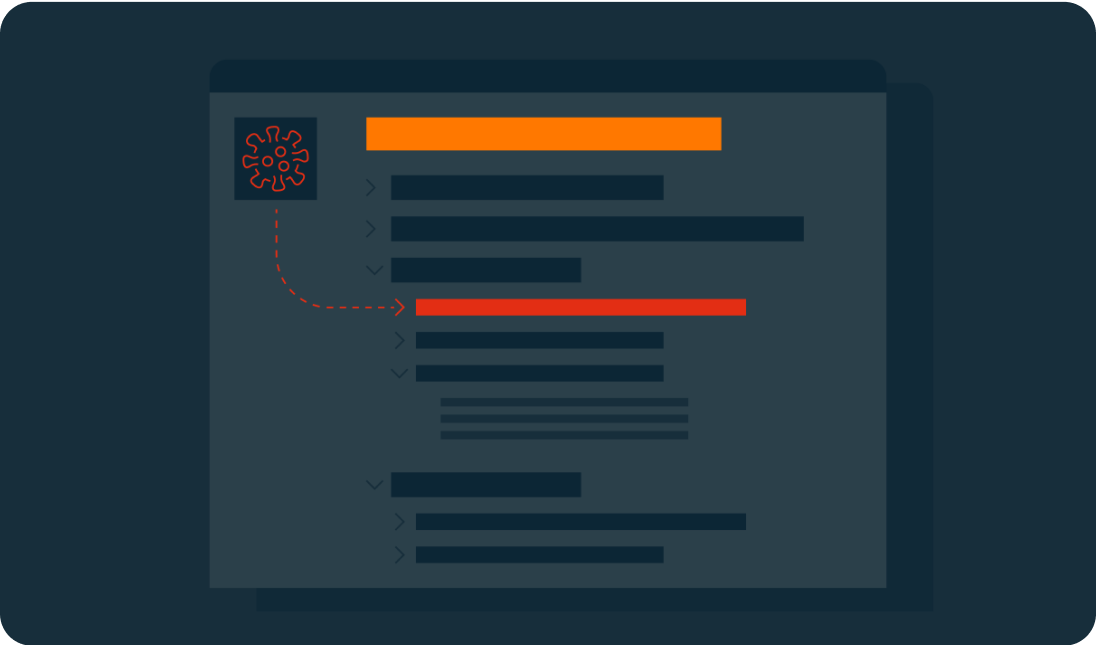
1. Sfruttamento delle vulnerabilità

Per accedere a una rete e diffondersi, il ransomware per Linux si basa generalmente sull'identificazione delle vulnerabilità. Può trattarsi di un semplice processo di sistema senza patch o di un difetto in un servizio. La vulnerabilità potrebbe non influire sull'utilizzo quotidiano e passare facilmente inosservata.

Alcune forme di ransomware per Linux eseguono una scansione per individuare le vulnerabilità SQL injection che potrebbero fornire l'accesso amministrativo. L'applicazione di aggiornamenti e correzioni è fondamentale per garantire che le vulnerabilità note vengano risolte.

Initializing the ransomware

2. Set up

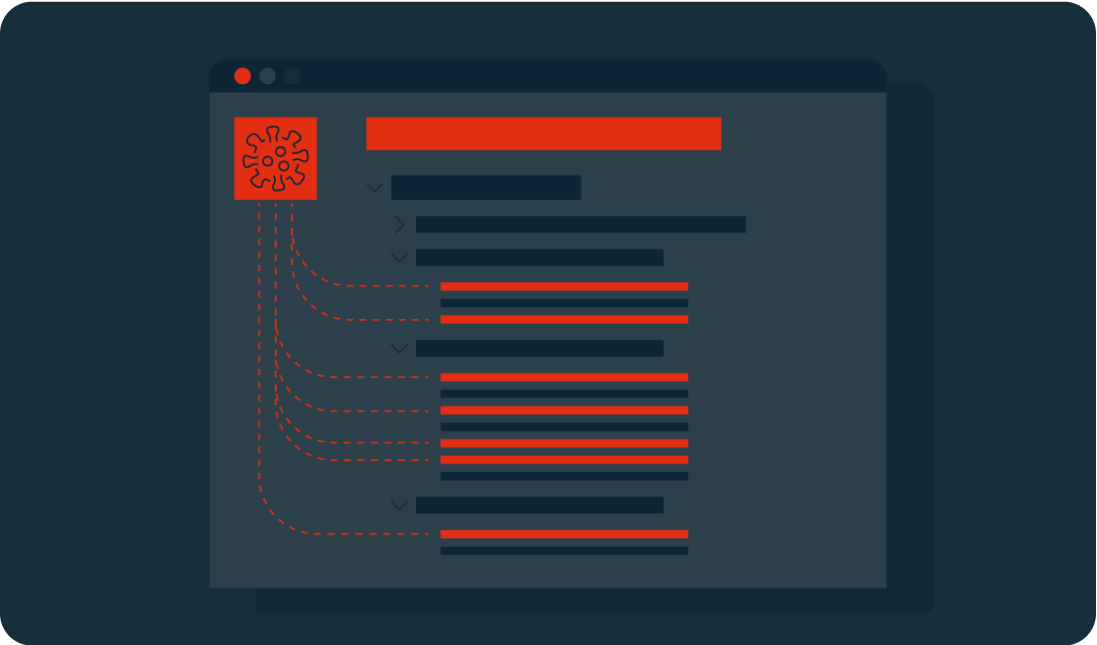
Once the ransomware is in place, it will request the download of malicious executables (typically a worm, Trojan, or virus), which can then be positioned in the network’s local directories. At this point, it will begin to function. This could mean giving itself certain access permissions and the ability to run at boot or in recovery mode.

In some cases, the ransomware will use privilege escalation to access features typically used only by high-level administrators. This bypass means that the malware could view and edit any data.

Key generation and exchange

3. Scan

The ransomware will scan the system looking for shared folders and files with specific extensions. These targets are predetermined and are likely to include document files (.PDF, .DOC) and software related to the cloud or network storage.

The malware may still not have been noticed by your business, but it could have established itself on your server and already targeted the files it will hold for ransom.

Encryption

4. Criptaggio

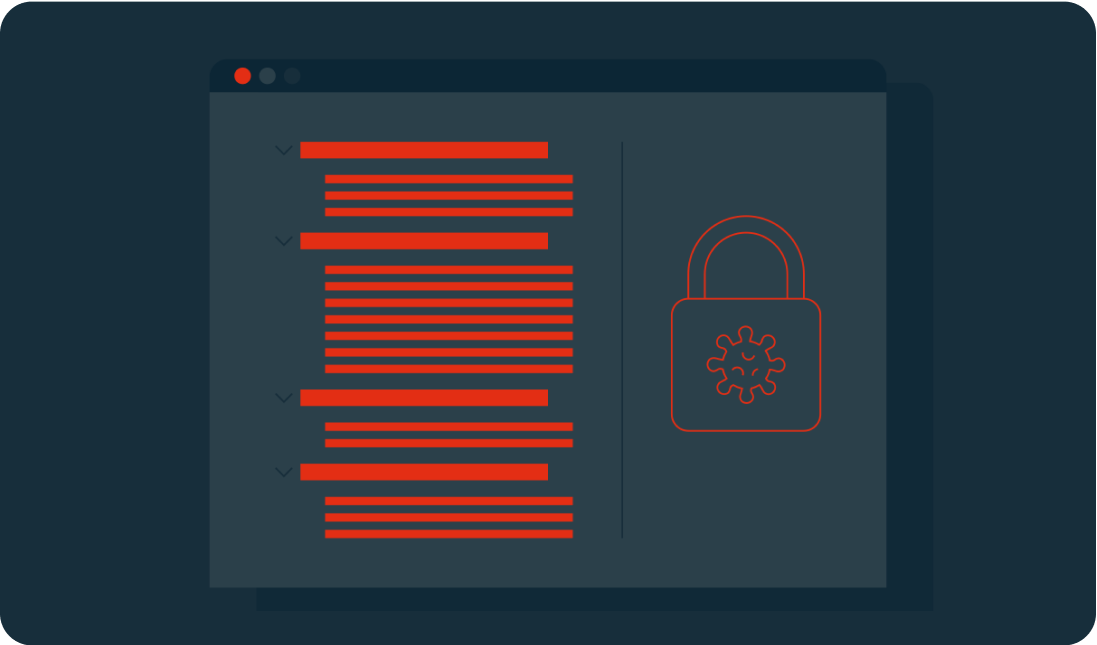
In questa fase dell'attacco a un sistema Linux, il ransomware creerà una versione criptata dei file di destinazione, rimuovendo gli originali. A seconda del tipo di criptaggio utilizzato, questa operazione potrebbe essere irreversibile.

Molti metodi di criptaggio vengono definiti asimmetrici, in quanto utilizzano una coppia di chiavi per criptare e decriptare i dati. In genere, una chiave è pubblica e visibile, mentre l'altra è privata e detenuta solo dal creatore. Il ransomware contatterà il server del criminale informatico per ottenere una chiave pubblica al fine di avviare il processo di criptaggio.

Demands

If devices are not connected to the network at this point, the attacker will wait until the users are back online before also encrypting their files.
Common types of encryption include:

  • AES – the Advanced Encryption Standard (Rijndael) is a standard created by the U.S. National Institute of Standards and Technology. Keys can be 128, 192, or 256 bits (the higher the number is, the more complex the encryption).
  • RSA – is a public-key system that was developed in 1977. Its name is an acronym of its three creators: Rivest-Shamir-Adleman. They are typically 1024 or 2048 bits long, making them difficult to break.

5. Demands

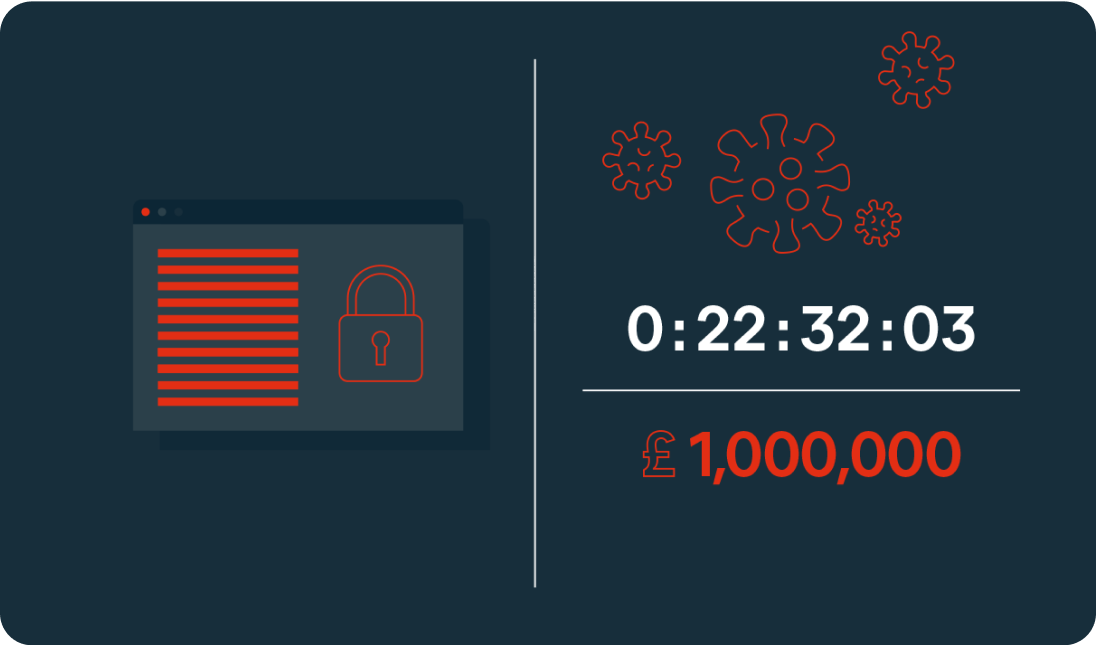
In the final stage, the demands of the extortion are made through a ransom note. This may be in the form of a startup message, a document placed on a desktop, or in the location of the encrypted files. The ransom will usually include payment instructions. Some will also include a deadline or countdown, which could see the ransom increase over time or threaten permanent file deletion if payment is not made in time.

At this point, the ransomware has completed its task.

Sodinokibi Decryption

Types of Linux ransomware

Tycoon

The first instance of Tycoon was spotted in 2019. It is typically used to attack SMBs and higher education organizations. It can infect both Linux and Windows devices.

System access is gained through a ZIP archive containing a malicious Java image file. An unsecured remote desktop protocol is then used to execute the Java object, which will encrypt the system and leave a ransom note.

Attacks typically offer a 60-hour window for payment via Bitcoin. In some cases, the amount increases daily.

QNAPCrypt

This attack focuses on Linux-based network-attached storage (NAS) devices. Distribution is typically through fake updates and infected files, including ZIP archives.

QNAPCrypt’s point of entry is flawed authentication of a SOCKS5 proxy (an alternative to a VPN that protects data packets during transfer) and has a low detection rate. Once a system is compromised, the malware requests a Bitcoin wallet and a public RSA key from the hacker’s server before encrypting the victim’s data.

Once encryption is complete, the ransom information is left in a .txt file. Each victim is given a unique Bitcoin wallet in which to pay the ransom, helping the attackers avoid detection.

RansomEXX

RansomEXX (also known as Defrat777) has become one of the most common forms of ransomware on Linux devices in recent years. It began as a Windows malware but has increasingly been used to attack Linux servers – most notably against the Brazilian government, the Department of Transportation in Texas and Brno University Hospital in the Czech Republic.

This type of ransomware is known as a "big-game hunter” – it is often used to target large organizations and governments in an attempt to secure large ransom payments. Rather than attacking multiple endpoints, the malware heads straight for the server, restricting access to files at their source – making Linux servers a primary target for this type of attack.

RansomEXX is typically delivered through an email containing a malicious Word document. Once opened, a Trojan is downloaded onto the user’s system, encrypting files and generating a 256-bit encryption key. The key is then re-encrypted every second.

Erebus

Erebus was first seen in 2016 as a Windows-based ransomware. It was used for the first time against Linux systems in 2017 for a high-profile attack on the South Korean web hosting company NAYANA. 153 Linux servers and more than 3,400 business websites were affected. The ransom of $1 million in Bitcoin set a record at the time for the highest fee paid.

Erebus relies on the user clicking on malicious links or opening infected emails attachments. It can also gain access to a system through malicious software, such as fake installers.

The ransomware scans for a wide range of file types to encrypt including databases, archives, and documents. The encryption process used is difficult to crack, as it uses a blend of three different cryptosystems (RSA-2048, AES and RC4). The ransomware also deletes Shadow Volume Copies of the operating system, making recovery even harder.

KillDisk

KillDisk is another ransomware that began on Windows before being adapted to Linux. The Linux version of KillDisk encrypts each file with a different set of 64-bit encryption keys. It then prevents the system from booting by overwriting the bootloader, instead presenting the user with a full-screen ransom note demanding payment in Bitcoin.

The Linux version of KillDisk then varies from Windows: The keys required to decrypt the data are not stored locally or sent to a server during a Linux attack, meaning that the encryption tool was most likely written to be destructive rather than for extortion. If no encryption key exists, the files are unlikely to ever be recovered, regardless of whether the ransom is paid.

Protect against Linux ransomware

Il ransomware per Linux è una minaccia crescente, in particolare per gli utenti aziendali. Le azioni da intraprendere per proteggere la tua azienda dagli attacchi ransomware includono:

  • Installare regolarmente gli aggiornamenti. Tutti i server e gli endpoint devono essere mantenuti aggiornati. Le patch di sicurezza e le correzioni software devono essere sempre installate non appena sono disponibili.
  • Limitare le autorizzazioni di accesso. Le autorizzazioni degli account utente dovrebbero, in base ai criteri, essere ridotte al minimo. Tutti hanno accesso solo ai file e alle applicazioni necessari per completare il proprio lavoro.
  • Eseguire il backup dei dati. Conservare in modo sicuro i backup dei dati è fondamentale per ridurre al minimo i potenziali danni di un attacco.
  • Stabilire una strategia di sicurezza. Molti attacchi si basano sull'errore umano per ottenere l'accesso a una rete. Questo rischio può essere significativamente ridotto implementando una strategia di sicurezza che includa la formazione del personale, l'implementazione di software di sicurezza e l'adozione di best practice relative a password complesse, protezione delle email e sicurezza degli endpoint.
  • Eseguire ispezioni e valutazioni periodiche delle vulnerabilità. I sistemi devono essere monitorati e attentamente valutati a intervalli regolari. I log eventi devono essere esaminati come parte di questo processo per identificare eventuali attività sospette.
  • Adottare un piano di risposta. Allo stesso modo in cui un ufficio ha un piano di sicurezza antincendio, occorre mettere in atto una strategia per il ransomware, al fine di garantire che il personale sappia cosa fare in caso di attacco. L'obiettivo è ridurre al minimo i danni e garantire un recupero senza problemi.


Find out more in the article “How to secure your Linux server”.

Advanced antivirus for Linux servers

While Linux offers some of the best OS security available, it is not enough on its own to keep your business data and server safe and secure. Protect your company with dedicated Linux malware and endpoint protection.