



1. Dla firm
  2. Resources
  3. Protection against linux ransomware

Linux ransomware: How to protect your business

Protecting your business from ransomware is challenging, particularly when a variety of operating systems are in use, each with their own levels of security and risk. With employees likely to be using a combination of Windows, MacOS, Linux and mobile operating systems, it can be difficult to be sure your business security is consistent.

This article looks at Linux ransomware: What it is, how much security it offers, the different types of ransomware that target devices running Linux, and what you can do to protect against its threat.

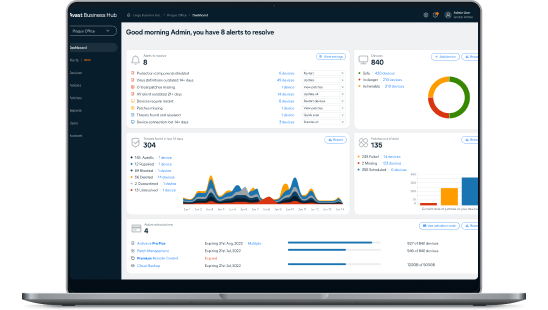
Try the Avast Business Hub FREE for 30 days

Enjoy enterprise-grade security whatever the size of your business. Download the Avast Business Hub and try it for 30 days, risk-free.

protection-against-linux-ransomware

What is Linux ransomware?

Mówiąc ogólnie, ransomware na Linuksa to rodzaj złośliwego oprogramowania, które może atakować systemy oparte na Linuksie (w tym na dystrybucjach takich jak Ubuntu i Debian). Taki atak prowadzi do infiltracji urządzenia lub sieci oraz znalezienia ważnych dokumentów i zaszyfrowania ich. Często pierwszy atak zostaje zauważony w momencie otrzymania wiadomości z żądaniem płatności warunkującej zwrot zaszyfrowanych plików. Dla osoby prywatnej jest to z pewnością przerażające, jednak dla firmy może oznaczać potencjalnie nieodwracalne straty operacyjne i utratę zaufania klientów.

Is Linux safe?

While Linux has a reputation for providing strong security measures, making it a popular option for business servers, the truth is that no operating system (OS) is completely safe from malware attacks. The nature of malware is such that human error can often be the cause of a breach – through phishing, using weak passwords, or failing to implement updates when they are available.

One of the positives for Linux users is that security updates are not only regular, but are generally considered to be highly effective, giving your system some of the best OS security available.

Another positive is that Linux automatically assigns restricted access permissions, meaning that if a malicious hacker gains access to a user account, it is less likely they will be able to access secure data or gain admin controls.

Windows and Mac operating systems are more widely used than Linux, but bad actors know that Linux is growing in popularity as the system for business servers. By gaining access to a Linux system, hackers are much more likely to be accessing a server rather than a single endpoint. For this reason, businesses should not be complacent – you must use antivirus software to reduce the risk of being attacked.

Ransomware on Linux: What happens?

Linux ransomware is an increasing concern for businesses using Linux servers. Understanding the process is vital for being able to spot suspicious network activity and other red flags. The approach from attackers varies, but the following represents the typical stages of a Linux ransomware attack.

1. Wykorzystanie luk w zabezpieczeniach

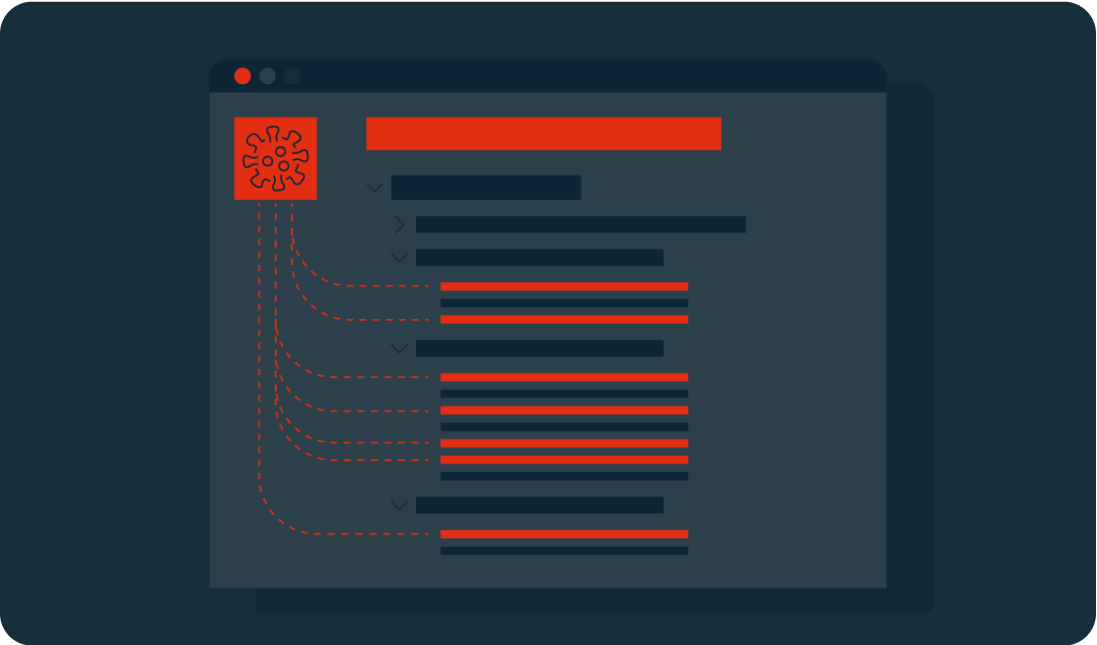
Aby dostać się do sieci i rozprzestrzenić po niej, ransomware na Linuksa stara się znaleźć luki w zabezpieczeniach. Może to być po prostu proces systemowy bez poprawki czy drobna niedoskonałość usługi. Luka może w ogóle nie wpływać na codzienne użytkowanie i pozostać niezauważona.

Niektóre formy ransomware na Linuksa wykorzystują skanery, aby znaleźć luki w zabezpieczeniach i przeprowadzić atak SQL injection, który może skutkować przejęciem uprawnień administratora. Instalowanie aktualizacji i poprawek ma kluczowe znaczenie dla eliminowania znanych luk w zabezpieczeniach.

Initializing the ransomware

2. Set up

Once the ransomware is in place, it will request the download of malicious executables (typically a worm, Trojan, or virus), which can then be positioned in the network’s local directories. At this point, it will begin to function. This could mean giving itself certain access permissions and the ability to run at boot or in recovery mode.

In some cases, the ransomware will use privilege escalation to access features typically used only by high-level administrators. This bypass means that the malware could view and edit any data.

Key generation and exchange

3. Scan

The ransomware will scan the system looking for shared folders and files with specific extensions. These targets are predetermined and are likely to include document files (.PDF, .DOC) and software related to the cloud or network storage.

The malware may still not have been noticed by your business, but it could have established itself on your server and already targeted the files it will hold for ransom.

Encryption

4. Szyfrowanie

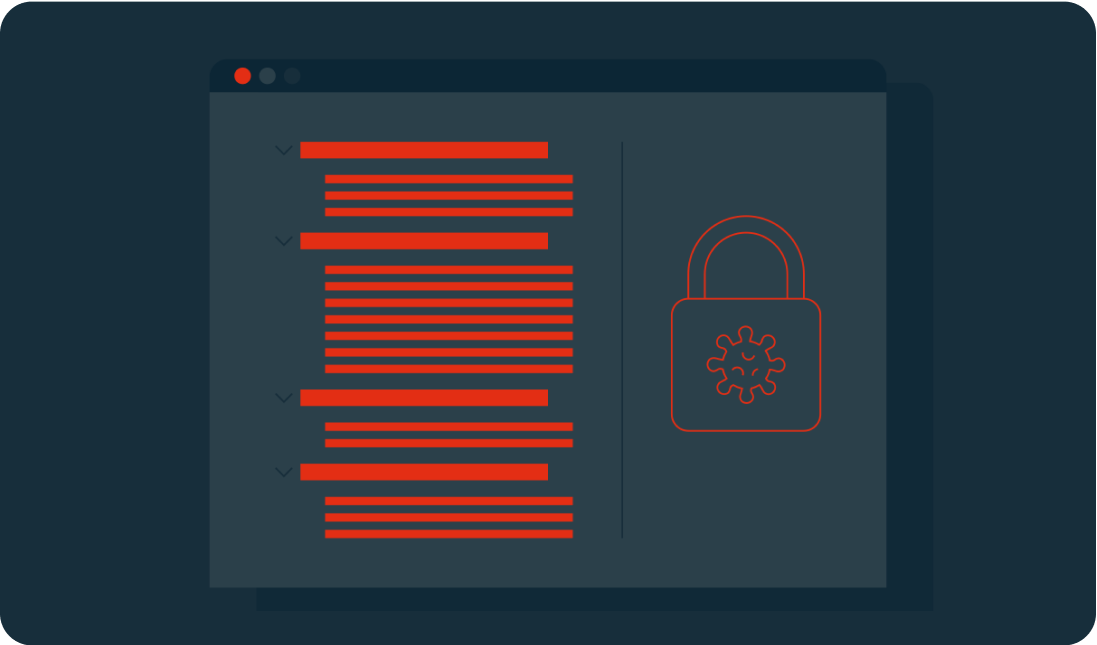
Na tym etapie ataku na Linuksa ransomware tworzy zaszyfrowane wersje wytypowanych plików i usuwa oryginały. Zależnie od rodzaju zastosowanego szyfrowania może to być działanie nieodwracalne.

Wiele metod szyfrowania jest znanych jako techniki asymetryczne, ponieważ wykorzystują one parę kluczy do zaszyfrowania i odszyfrowania danych. Zwykle jeden klucz jest publiczny i widoczny, a drugi prywatny, dostępny tylko dla jego twórcy. Ransomware kontaktuje się z serwerem cyberprzestępcy, aby pobrać klucz publiczny i rozpocząć proces szyfrowania.

Demands

If devices are not connected to the network at this point, the attacker will wait until the users are back online before also encrypting their files.
Common types of encryption include:

  • AES – the Advanced Encryption Standard (Rijndael) is a standard created by the U.S. National Institute of Standards and Technology. Keys can be 128, 192, or 256 bits (the higher the number is, the more complex the encryption).
  • RSA – is a public-key system that was developed in 1977. Its name is an acronym of its three creators: Rivest-Shamir-Adleman. They are typically 1024 or 2048 bits long, making them difficult to break.

5. Demands

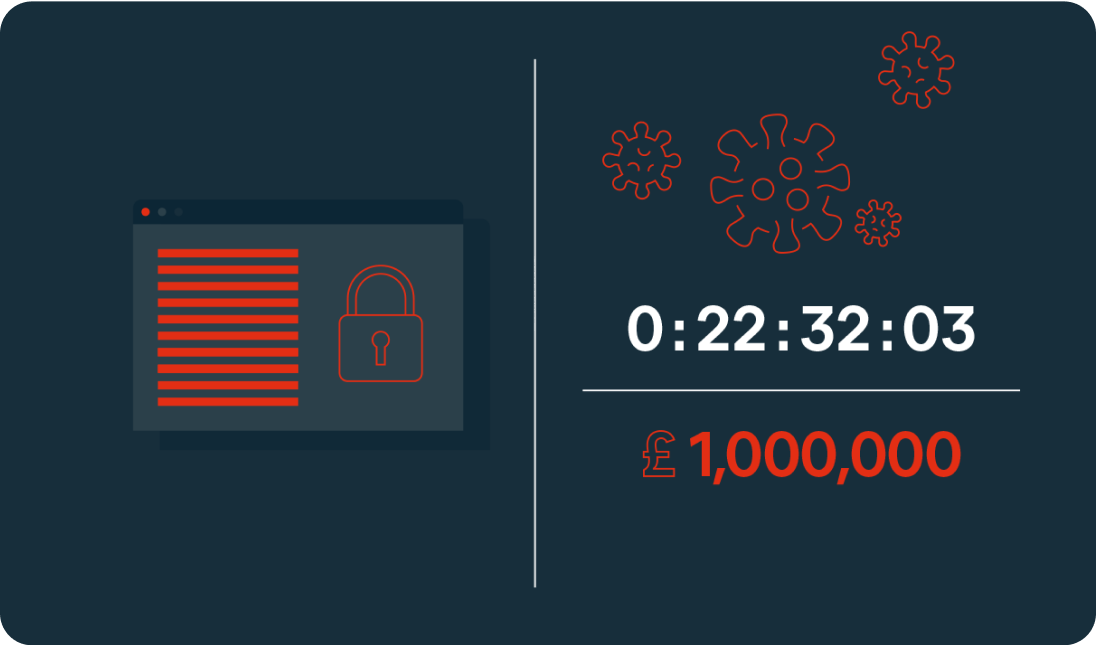
In the final stage, the demands of the extortion are made through a ransom note. This may be in the form of a startup message, a document placed on a desktop, or in the location of the encrypted files. The ransom will usually include payment instructions. Some will also include a deadline or countdown, which could see the ransom increase over time or threaten permanent file deletion if payment is not made in time.

At this point, the ransomware has completed its task.

Sodinokibi Decryption

Types of Linux ransomware

Tycoon

The first instance of Tycoon was spotted in 2019. It is typically used to attack SMBs and higher education organizations. It can infect both Linux and Windows devices.

System access is gained through a ZIP archive containing a malicious Java image file. An unsecured remote desktop protocol is then used to execute the Java object, which will encrypt the system and leave a ransom note.

Attacks typically offer a 60-hour window for payment via Bitcoin. In some cases, the amount increases daily.

QNAPCrypt

This attack focuses on Linux-based network-attached storage (NAS) devices. Distribution is typically through fake updates and infected files, including ZIP archives.

QNAPCrypt’s point of entry is flawed authentication of a SOCKS5 proxy (an alternative to a VPN that protects data packets during transfer) and has a low detection rate. Once a system is compromised, the malware requests a Bitcoin wallet and a public RSA key from the hacker’s server before encrypting the victim’s data.

Once encryption is complete, the ransom information is left in a .txt file. Each victim is given a unique Bitcoin wallet in which to pay the ransom, helping the attackers avoid detection.

RansomEXX

RansomEXX (znane również jako Defrat777) to jedna z najpopularniejszych w ostatnich latach form ransomware na urządzenia z Linuksem. Na początku było to złośliwe oprogramowanie na Windowsa, jednak coraz częściej wykorzystuje się je także przy atakach na serwery z Linuksem — do najgłośniejszych należą ataki wymierzone w brazylijski rząd, Departament Transportu w Teksasie i czeski szpital uniwersytecki w Brnie.

Tego typu ransomware jest wykorzystywane przez przestępców biorących na cele np. duże organizacje i rządy z zamiarem uzyskania dużych kwot okupu. Zamiast atakować wiele punktów końcowych, złośliwe oprogramowanie uderza prosto w serwer i ogranicza dostęp do plików u źródła — dlatego głównym celem tego typu ataków są serwery z Linuksem.

RansomEXX zwykle jest dostarczane w wiadomości e-mail zawierającej złośliwy dokument programu Word. Po jego otwarciu na system użytkownika pobierany jest trojan, który szyfruje pliki i generuje 256-bitowy klucz. Następnie klucz jest co sekundę przeszyfrowywany.

Erebus

Erebus was first seen in 2016 as a Windows-based ransomware. It was used for the first time against Linux systems in 2017 for a high-profile attack on the South Korean web hosting company NAYANA. 153 Linux servers and more than 3,400 business websites were affected. The ransom of $1 million in Bitcoin set a record at the time for the highest fee paid.

Erebus relies on the user clicking on malicious links or opening infected emails attachments. It can also gain access to a system through malicious software, such as fake installers.

The ransomware scans for a wide range of file types to encrypt including databases, archives, and documents. The encryption process used is difficult to crack, as it uses a blend of three different cryptosystems (RSA-2048, AES and RC4). The ransomware also deletes Shadow Volume Copies of the operating system, making recovery even harder.

KillDisk

KillDisk is another ransomware that began on Windows before being adapted to Linux. The Linux version of KillDisk encrypts each file with a different set of 64-bit encryption keys. It then prevents the system from booting by overwriting the bootloader, instead presenting the user with a full-screen ransom note demanding payment in Bitcoin.

The Linux version of KillDisk then varies from Windows: The keys required to decrypt the data are not stored locally or sent to a server during a Linux attack, meaning that the encryption tool was most likely written to be destructive rather than for extortion. If no encryption key exists, the files are unlikely to ever be recovered, regardless of whether the ransom is paid.

Protect against Linux ransomware

Ransomware na Linuksa to coraz większe zagrożenie, zwłaszcza dla użytkowników biznesowych. Oto działania, które warto podjęć, aby zabezpieczyć swoją firmę przed atakami z użyciem ransomware:

  • Regularne instalowanie poprawek. Wszystkie serwery i punkty końcowe powinny być na bieżąco aktualizowane. Poprawki zabezpieczeń i oprogramowania należy zawsze instalować, gdy tylko są dostępne.
  • Ograniczenie uprawnień do dostępu. Co do zasady uprawnienia kont użytkowników powinny być jak najmniejsze. Każdy powinien mieć dostęp wyłącznie do tych plików i aplikacji, które są mu niezbędne w pracy.
  • Tworzenie kopii zapasowych danych. Przechowywanie kopii zapasowych danych w bezpiecznym miejscu ma kluczowe znaczenie dla zminimalizowania potencjalnych strat wynikających z ataku.
  • Przyjęcie strategii w zakresie bezpieczeństwa. Wiele ataków wymaga błędu człowieka, który umożliwi dostęp do sieci. Ryzyko to można znacznie zmniejszyć, wdrażając strategię w zakresie bezpieczeństwa, szkoląc personel, instalując oprogramowanie zabezpieczające oraz stosując sprawdzone metody dotyczące silnych haseł, bezpiecznych e-maili i zabezpieczeń punktów końcowych.
  • Regularne kontrole i oceny luk w zabezpieczeniach. Systemy należy regularnie monitorować i starannie oceniać. W ramach tego procesu należy przeglądać dzienniki systemowe pod kątem podejrzanej aktywności.
  • Opracowanie planu reagowania. Tak samo jak plan bezpieczeństwa pożarowego, firma powinna mieć też strategię dotyczącą ransomware, aby pracownicy wiedzieli co robić w razie ataku. Celem takiej strategii jest zminimalizowanie strat i umożliwienie sprawnego odzyskania danych.


Find out more in the article “How to secure your Linux server”.

Advanced antivirus for Linux servers

While Linux offers some of the best OS security available, it is not enough on its own to keep your business data and server safe and secure. Protect your company with dedicated Linux malware and endpoint protection.