1. Firmy
  2. Resources
  3. Protection against linux ransomware

Linux ransomware: How to protect your business

Protecting your business from ransomware is challenging, particularly when a variety of operating systems are in use, each with their own levels of security and risk. With employees likely to be using a combination of Windows, MacOS, Linux and mobile operating systems, it can be difficult to be sure your business security is consistent.

This article looks at Linux ransomware: What it is, how much security it offers, the different types of ransomware that target devices running Linux, and what you can do to protect against its threat.

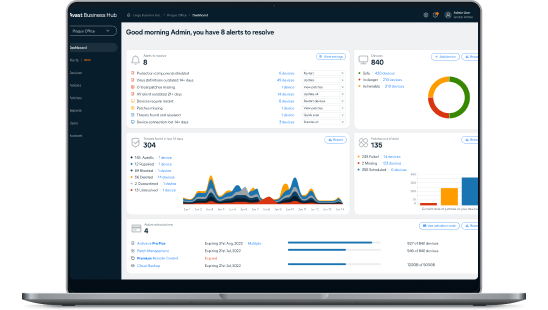
Try the Avast Business Hub FREE for 30 days

Enjoy enterprise-grade security whatever the size of your business. Download the Avast Business Hub and try it for 30 days, risk-free.

protection-against-linux-ransomware

What is Linux ransomware?

Ransomware pro Linux je obecně vzato typ malwaru, který útočí na operační systém Linux, respektive na jeho distribuce, jako jsou Ubuntu nebo Debian. Tento typ útoku infiltruje zařízení či síť, najde důležité dokumenty a zašifruje je. K jeho odhalení dojde obvykle až při obdržení zprávy s žádostí o výkupné za zašifrované soubory. Jednotlivce může tento útok vyděsit, ale firmě dokáže způsobit potenciálně nenapravitelné provozní škody a ztrátu důvěry zákazníků.

Is Linux safe?

While Linux has a reputation for providing strong security measures, making it a popular option for business servers, the truth is that no operating system (OS) is completely safe from malware attacks. The nature of malware is such that human error can often be the cause of a breach – through phishing, using weak passwords, or failing to implement updates when they are available.

One of the positives for Linux users is that security updates are not only regular, but are generally considered to be highly effective, giving your system some of the best OS security available.

Another positive is that Linux automatically assigns restricted access permissions, meaning that if a malicious hacker gains access to a user account, it is less likely they will be able to access secure data or gain admin controls.

Windows and Mac operating systems are more widely used than Linux, but bad actors know that Linux is growing in popularity as the system for business servers. By gaining access to a Linux system, hackers are much more likely to be accessing a server rather than a single endpoint. For this reason, businesses should not be complacent – you must use antivirus software to reduce the risk of being attacked.

Ransomware on Linux: What happens?

Linux ransomware is an increasing concern for businesses using Linux servers. Understanding the process is vital for being able to spot suspicious network activity and other red flags. The approach from attackers varies, but the following represents the typical stages of a Linux ransomware attack.

1. Zneužití zranitelností

Ransomware pro Linux obvykle hledá zranitelnosti, které by mu umožnily přístup do sítě a další šíření. Takovou zranitelností může být systém bez nainstalovaných oprav nebo chyba v nějaké službě. Tato zranitelnost nemusí nijak ovlivňovat každodenní používání a může snadno zůstat nepovšimnuta.

Některé formy ransomwaru pro Linux najdou pomocí vyhledávacích nástrojů zranitelnosti umožňující injektáž SQL, která jim udělí správcovský přístup. Opravu známých zranitelností je nezbytné zajistit instalací aktualizací a oprav.

Initializing the ransomware

2. Set up

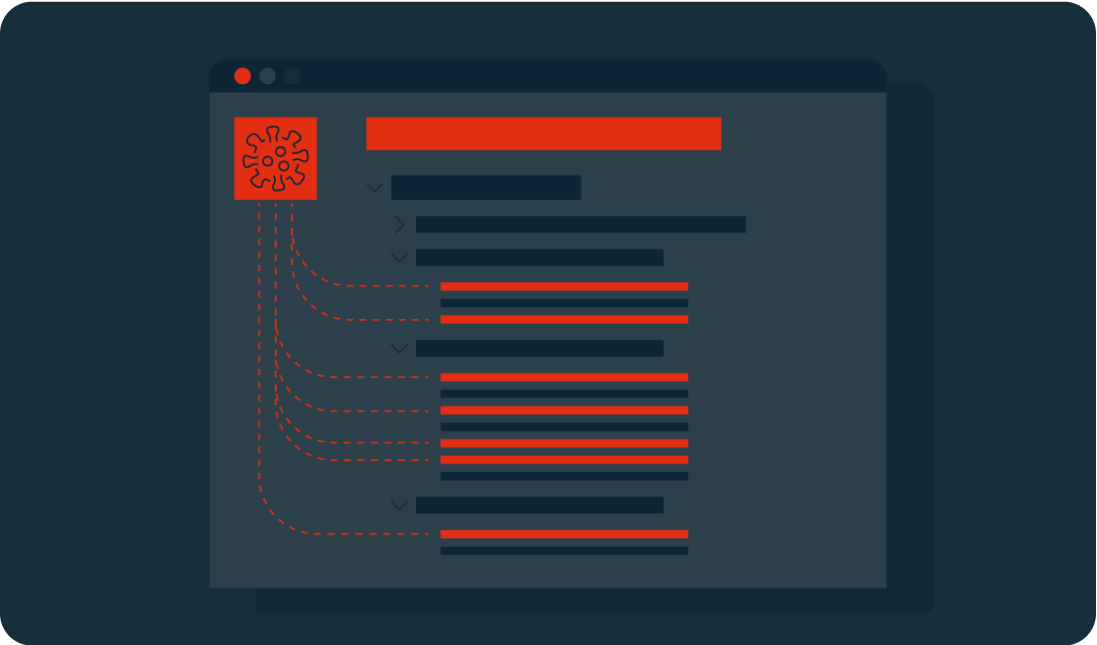
Once the ransomware is in place, it will request the download of malicious executables (typically a worm, Trojan, or virus), which can then be positioned in the network’s local directories. At this point, it will begin to function. This could mean giving itself certain access permissions and the ability to run at boot or in recovery mode.

In some cases, the ransomware will use privilege escalation to access features typically used only by high-level administrators. This bypass means that the malware could view and edit any data.

Key generation and exchange

3. Scan

The ransomware will scan the system looking for shared folders and files with specific extensions. These targets are predetermined and are likely to include document files (.PDF, .DOC) and software related to the cloud or network storage.

The malware may still not have been noticed by your business, but it could have established itself on your server and already targeted the files it will hold for ransom.

Encryption

4. Encrypt

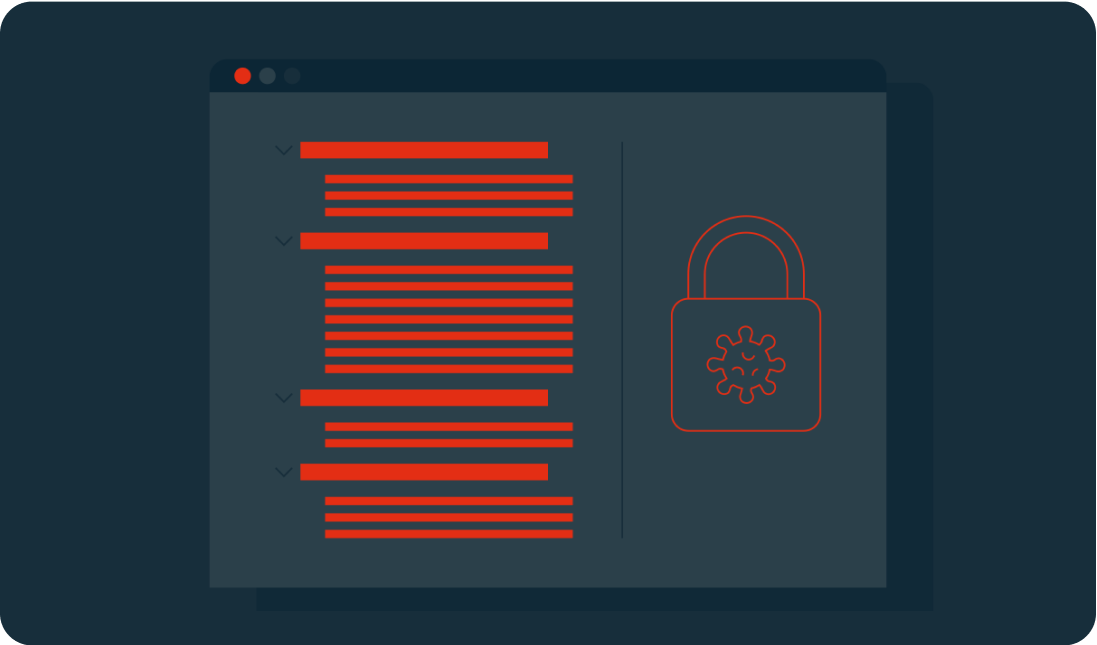
At this stage of attacking a Linux system, the ransomware will create an encrypted version of the target files, removing the original. Depending on the type of encryption used, this could be irreversible.

Many encryption methods are known as asymmetric, as they use a pair of keys to encrypt and decrypt data. Typically, one key is public and visible, but the other is private and held only by the creator. The ransomware will contact the cybercriminal’s server to get a public key to begin the encryption process.

Demands

If devices are not connected to the network at this point, the attacker will wait until the users are back online before also encrypting their files.
Common types of encryption include:

  • AES – the Advanced Encryption Standard (Rijndael) is a standard created by the U.S. National Institute of Standards and Technology. Keys can be 128, 192, or 256 bits (the higher the number is, the more complex the encryption).
  • RSA – is a public-key system that was developed in 1977. Its name is an acronym of its three creators: Rivest-Shamir-Adleman. They are typically 1024 or 2048 bits long, making them difficult to break.

5. Demands

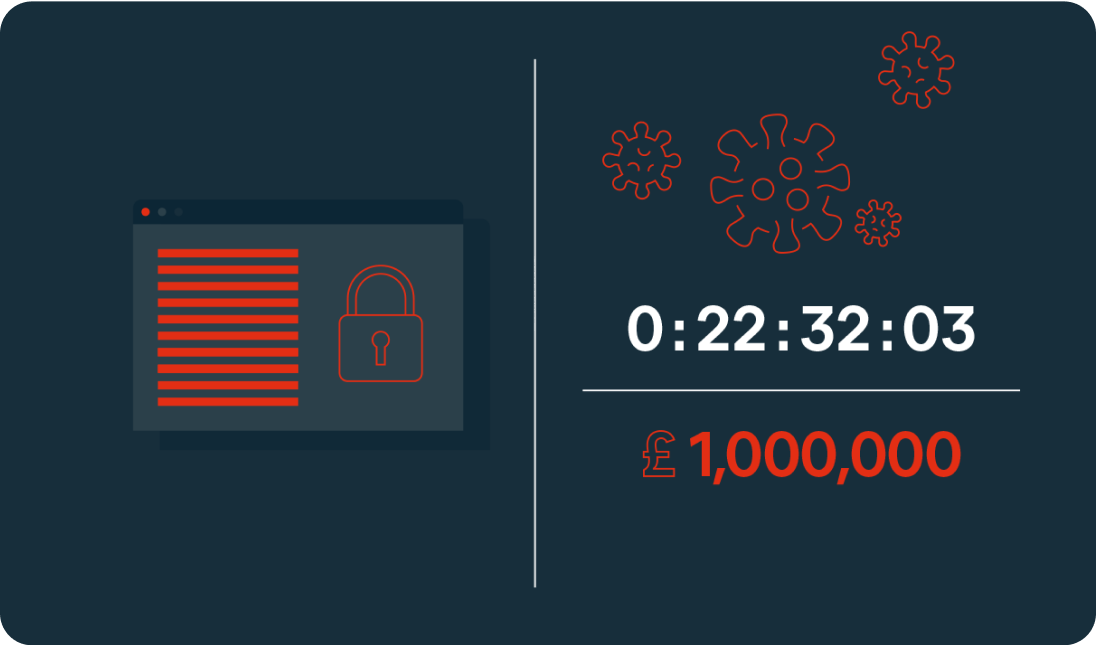
In the final stage, the demands of the extortion are made through a ransom note. This may be in the form of a startup message, a document placed on a desktop, or in the location of the encrypted files. The ransom will usually include payment instructions. Some will also include a deadline or countdown, which could see the ransom increase over time or threaten permanent file deletion if payment is not made in time.

At this point, the ransomware has completed its task.

Sodinokibi Decryption

Types of Linux ransomware

Tycoon

The first instance of Tycoon was spotted in 2019. It is typically used to attack SMBs and higher education organizations. It can infect both Linux and Windows devices.

System access is gained through a ZIP archive containing a malicious Java image file. An unsecured remote desktop protocol is then used to execute the Java object, which will encrypt the system and leave a ransom note.

Attacks typically offer a 60-hour window for payment via Bitcoin. In some cases, the amount increases daily.

QNAPCrypt

This attack focuses on Linux-based network-attached storage (NAS) devices. Distribution is typically through fake updates and infected files, including ZIP archives.

QNAPCrypt’s point of entry is flawed authentication of a SOCKS5 proxy (an alternative to a VPN that protects data packets during transfer) and has a low detection rate. Once a system is compromised, the malware requests a Bitcoin wallet and a public RSA key from the hacker’s server before encrypting the victim’s data.

Once encryption is complete, the ransom information is left in a .txt file. Each victim is given a unique Bitcoin wallet in which to pay the ransom, helping the attackers avoid detection.

RansomEXX

RansomEXX (též Defrat777) se v posledních letech stal jednou z nejběžnějších forem ransomwaru na zařízeních s Linuxem. Původně šlo o malware pro Windows, který se postupně začal používat k útokům na linuxové servery. Mezi nejznámější patří útoky na brazilskou státní správu, ministerstvo dopravy v TexasuFakultní nemocnici Brno v České republice.

Tento typ ransomwaru se snaží ulovit „velké hráče“ – obvykle cílí na rozsáhlé organizace a státní správu, aby mohl požadovat vysoké výkupné. Tento malware neútočí na koncová zařízení, ale zaměřuje se přímo na server, čímž omezí přístup k souborům přímo v jejich zdroji. Primárním cílem tohoto typu útoku jsou proto linuxové servery.

RansomEXX se obvykle šíří přes e-mail obsahující škodlivý dokument aplikace Word. Po jeho otevření si uživatel stáhne do systému trojského koně, který zašifruje soubory a vygeneruje 256bitový šifrovací klíč. Tento klíč je následně každou sekundu znovu zašifrován.

Erebus

Erebus was first seen in 2016 as a Windows-based ransomware. It was used for the first time against Linux systems in 2017 for a high-profile attack on the South Korean web hosting company NAYANA. 153 Linux servers and more than 3,400 business websites were affected. The ransom of $1 million in Bitcoin set a record at the time for the highest fee paid.

Erebus relies on the user clicking on malicious links or opening infected emails attachments. It can also gain access to a system through malicious software, such as fake installers.

The ransomware scans for a wide range of file types to encrypt including databases, archives, and documents. The encryption process used is difficult to crack, as it uses a blend of three different cryptosystems (RSA-2048, AES and RC4). The ransomware also deletes Shadow Volume Copies of the operating system, making recovery even harder.

KillDisk

KillDisk is another ransomware that began on Windows before being adapted to Linux. The Linux version of KillDisk encrypts each file with a different set of 64-bit encryption keys. It then prevents the system from booting by overwriting the bootloader, instead presenting the user with a full-screen ransom note demanding payment in Bitcoin.

The Linux version of KillDisk then varies from Windows: The keys required to decrypt the data are not stored locally or sent to a server during a Linux attack, meaning that the encryption tool was most likely written to be destructive rather than for extortion. If no encryption key exists, the files are unlikely to ever be recovered, regardless of whether the ransom is paid.

Protect against Linux ransomware

Ransomware pro Linux je rostoucí hrozba především pro uživatele ve firmách. Pokud chcete svou firmu chránit před útoky ransomwaru, řiďte se následujícími radami:

  • Pravidelně instalujte aktualizace. Všechny servery a koncová zařízení je nutné aktualizovat. Aktualizace zabezpečení a opravy softwaru by se měly instalovat hned, jak jsou k dispozici.
  • Omezte přístupová oprávnění. Oprávnění uživatelských účtů by měla být minimalizována pomocí pravidel. Každý by měl mít přístup jen k těm souborům a aplikacím, které potřebuje ke své práci.
  • Zálohujte data. Uchovávání zabezpečených záloh dat je nezbytné k minimalizaci potenciálních škod způsobených útokem.
  • Určete si bezpečnostní strategii. Spousta útoků spoléhá na to, že jim přístup do sítě umožní lidská chyba. Toto riziko lze významně omezit stanovením bezpečnostní strategie, která zahrnuje školení pracovníků, nasazení bezpečnostního softwaru a zavedení osvědčených postupů, jako je používání silných hesel, bezpečná práce s e-mailem a zabezpečení koncových zařízení.
  • Provádějte pravidelné inspekce a posuzování zranitelností. Systémy by měly být monitorovány a pravidelně pečlivě vyhodnocovány. V rámci toho byste měli kontrolovat protokoly událostí a hledat v nich podezřelé aktivity.
  • Mějte plán reakce. Stejně jako máte požární plán, měli byste zavést i plán pro případ napadení ransomwarem, aby vaši pracovníci věděli, co mají v případě útoku dělat. Jeho cílem by mělo být minimalizovat škody a zajistit hladké obnovení.


Find out more in the article “How to secure your Linux server”.

Advanced antivirus for Linux servers

While Linux offers some of the best OS security available, it is not enough on its own to keep your business data and server safe and secure. Protect your company with dedicated Linux malware and endpoint protection.